The 5 Fastest Growing Cities In Oregon
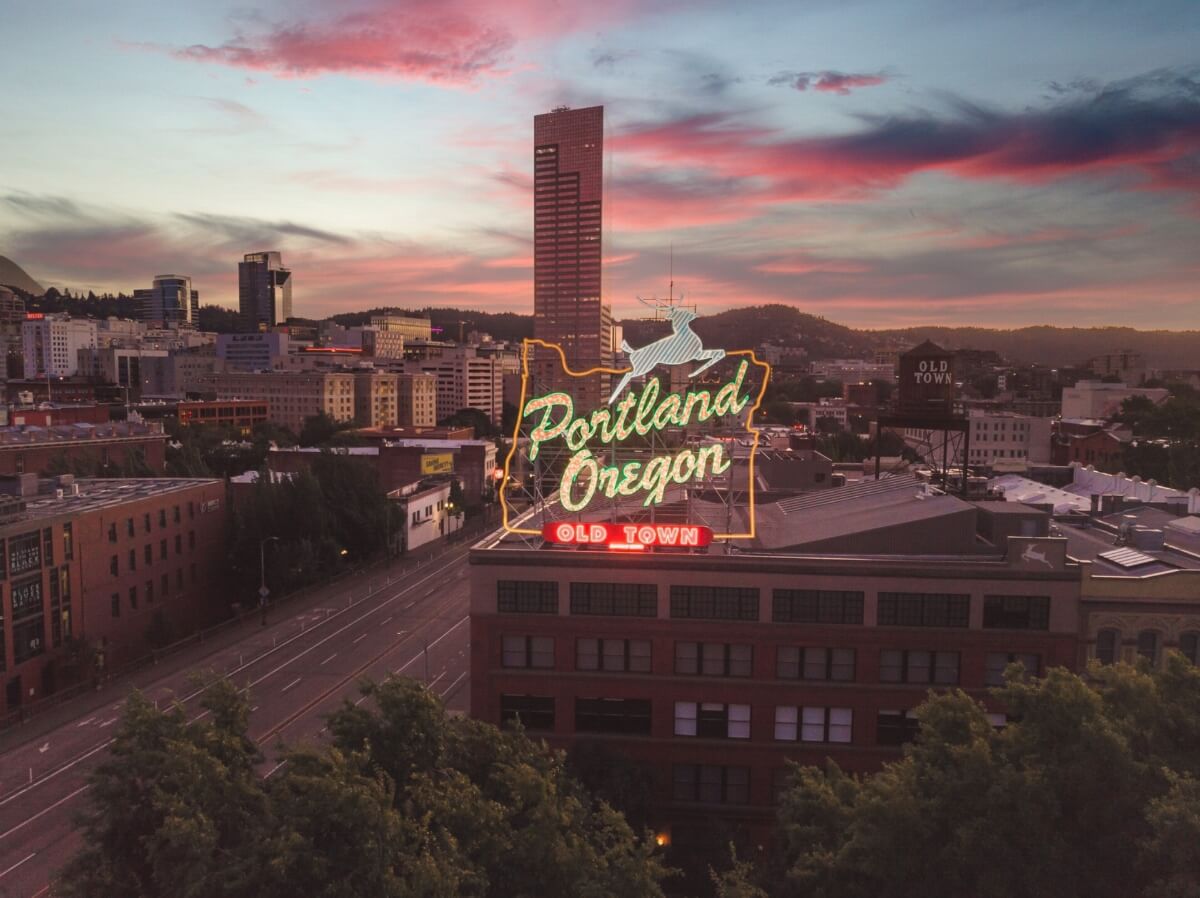
Over the last decade, Oregon has been the 13th fastest-growing state in the county. This is been driven in large by both affordability as well as employment opportunity. While other states have struggled with housing shortages, Oregon has been able to provide a better supply of housing. The state is popular for those who enjoy the outdoors for recreational activities as well as those who enjoy more urban settings for the arts, food, and culture. Here are the five fastest-growing cities in Oregon:

Portland
Portland is the largest city in Oregon and the 15h largest in the country and over the last decade, it has seen the largest population growth in raw numbers in the state. Since 2010, the city’s population has increased by 85,817 making it the 24th fastest growing city in the country. Beyond the city’s reputation for food, art, and entertainment are the economic opportunities for young professionals. Portland is also one of the more affordable major cities with inclusive zoning laws allowing for the construction of more affordable new homes. It has become an attractive city for young professionals who want to eventually own a home or invest in rentals, making property management services a valuable resource for navigating Portland’s growing market.

Bend

While Bend is mostly a tourist city, it has managed to become the second-fastest-growing city in Oregon. Since 2010, its population has increased by 24,851bringing the total population to just over 99k. It is now the 6th largest city in Oregon and the 140th fastest-growing city nationwide. Bend has become an attractive place to live with its focus on the arts and community. It is host to a film festival and in recent years has improved public transit making the city accessible for everyone. 

Salem

Salem, the capital of Oregon, is the 3rd fastest growing as well as the 3rd largest city in Oregon. Since 2010 the population has grown by 23,726 residents making it the 155th fastest growing city nationwide. The largest job sector in the city is the government making it a popular place to live for those working in the public sector. This gives the city a stable job market and local economy with room to grow more in the future. 

Eugene

In the last decade, Eugene’s population is grown by 23,666 making it the 160th fastest-growing city in the country. It’s also the 2nd largest city in the country and it is most well known for being home to the University of Oregon and where Nike first started. It’s also known for being where the movie Animal House was filmed. Education and healthcare are the largest industries in the city but there’s also a growing industry of breweries and agriculture which has been a driver in the population growth over the last decade. 

Hillsboro

Hillsboro is a large suburb of Portland and the 5th fastest growing city in Oregon. Since 2010, the population has increased by 18,222 making it the 242nd fastest-growing city nationwide. Because of its proximity to Portland as well as the growing tech industry within the city, Hillsboro has been able to grow its population to just over 100 thousand residents.    
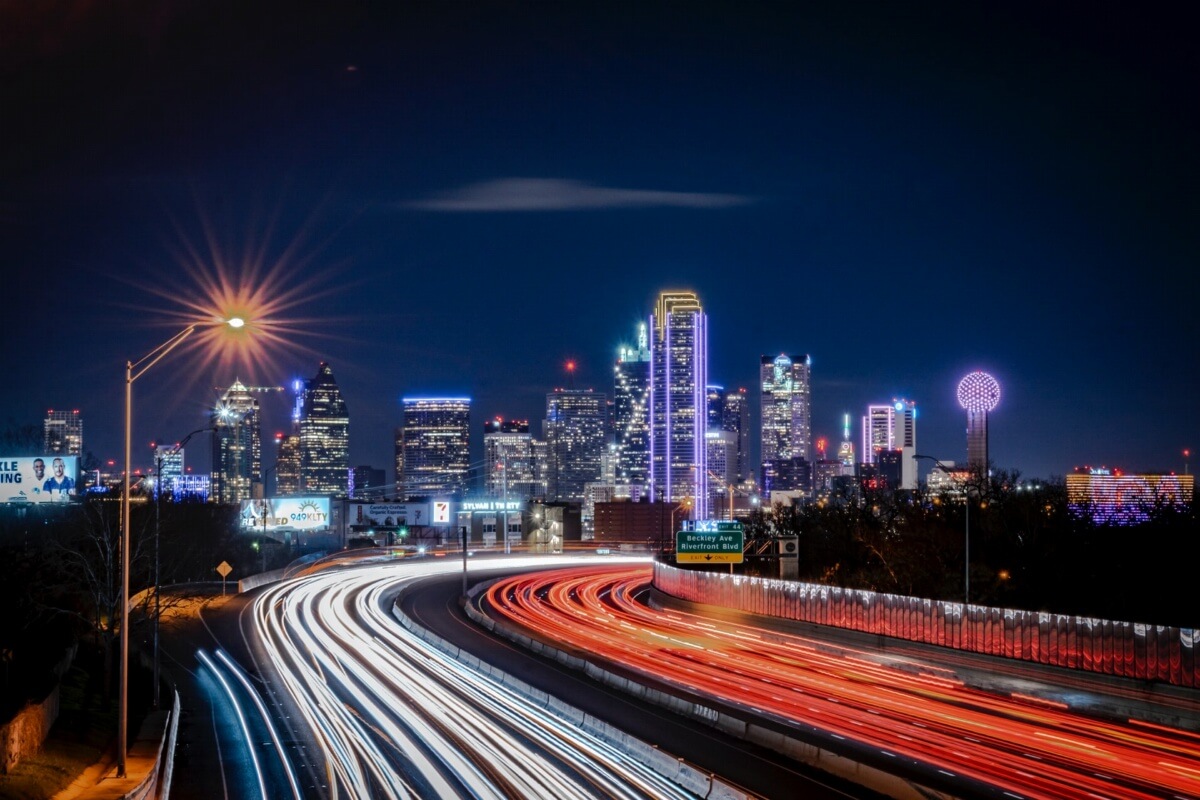
5 Fast Growing Cities In Texas

Over the last decade, Texas has been the third fastest-growing state in the entire county. In the ten years between 2010 and 2020, Texas has seen its population grow by 15.91% to reach a total population of just under 30 million. Colleges and universities, economic opportunities, and a more affordable housing market are all factors that play into Texas’s big population boom. 

While the housing market is more affordable than in states like California, the population increase has been steadily outpacing new housing construction which is creating more competition when it comes to residents looking for housing. Here are some of the fastest-growing cities in Texas. 

Dallas

Dallas may be the most famous and well-known city in the state of Texas, but it isn’t the biggest. However, it has seen some of the fastest population growth in the entire state over the last decade. Since 2010, it has seen its population grow by a whopping  131 thousand residents. This has caused rent in the city to jump by 13% from 2021 to 2022 as housing becomes more scarce. 

Leander

Austin has long been one of the fastest-growing cities in Texas so it makes sense one of its suburbs, Leander would make the list of fastest-growing cities in Texas. It’s located just 30 minutes from Austin offering a reasonable commute for those who work in the city as well as a short drive for those looking to enjoy its entertainment. While the rent in Leander generally has kept pace with the national average, it has increased sharply between 2021 and 2022 outpacing it. 

Frisco 

The population boom in Dallas has also seen a big boom in growth within its suburbs as well. This has helped make Frisco one of the fastest-growing cities in Texas with a population growth of 71% over the last nine years. As the population growth has continued to outpace new construction on housing, it has seen a sharp increase in rent as well. In the last year from 2021 to 2022, rent has spiked by 14%. 

New Braunfels

New Braunfels is a suburb of San Antonio with plenty of economic opportunity making it a popular place to live. The city has a low unemployment percentage of just 3% and has plenty of employers nearby from large corporations to the US military. Over the last decade, the population has jumped just over 56% and local rent has increased as well. In the last year, the average rent for a one-bedroom apartment has jumped by 9%. 

McKinney

Like Leander, McKinney is another fast-growing suburb of Dallas. Over the last ten years, it has seen its population grow by just under 52%. For years McKinney has been one of the more affordable places to rent keeping just under the national average. However, in the last year, due to demand outpacing the supply of housing, the average rent in McKinney shot up and now outpaces the national average.

5 Great Places To Live In Washington

Washington is one of the fastest-growing states in the country and it is attracting new residents from all over the country and the world for good reason. There’s plenty of economic opportunity in the state, but there’s more than that. There’s something for everybody, whether it is enjoying the outdoors, boating, fishing, hiking, camping, or just staying local and going out to dinner. There’s a lot to offer for those who enjoy the arts, from theater to live music. There are many places in Washington to enjoy and here are some of the best places to live

Redmond

Redmond is most known and recognized as the home of Microsoft which is the city’s largest employer, but that is only one reason it is one of the best places to live in Washinton. The location makes driving to Seattle convenient as it is just a short drive away allowing for locals to experience the big city without actually having to live there. 

While the location and employment opportunities are great, the main attraction is Marymoor Park which is 640 acres of public space which allows for residents to go on picnics, partake in sporting events, festivals, concerts and ride on the biking trails. For those looking for a great place to live with great public schools outside of Seattle, Redmond is a great option. 

Sammamish

Like the rest of Washington and King County, Sammamish is growing rapidly and now has a population of over 50,000. That population is continuing to grow and for good reason. The city is only 25 miles away from Seattle making a trip to the big city a reasonable commute for those who work in or enjoy the city but enjoy living in a city with more lush open space. 

The main draw to Sammamish is the fact it borders Sammamish Lake and provides a plethora of outdoor activities for local residents. The city has hiking trails, wetlands, a Shakespeare in the Park festival, and golf courses. The city has grown rapidly from a small rural town to a bustling suburb and is a great place to live for those who enjoy the outdoors. 

Kirkland

Kirkland is the 12th largest city in the state of Washington with a population of 85,0000 residents and growing. It’s in a great location right next to Lake Washington and offers plenty of outdoor activities for the locals with a vibrant community of restaurants, retail, bars, and entertainment. Accessing all of this is made easy through a wide network of bike paths, bike lanes, and public transit. The city allows residents to live happy and healthy lives by making it pedestrian and bike-friendly while providing plenty of social activities. 

Bellevue

Bellevue is a fast-growing city on its way to becoming a major US city with an urban center. There are a ton of economic opportunities with major corporations like T-Mobile which has its headquarters located there as well as those who want to work for tech start-ups. The city has a population of 135,000 and is located between two lakes and a short drive away from Seattle making it an ideal place for those who want to easily enjoy everything the urban center of King County has to offer. 

Seattle

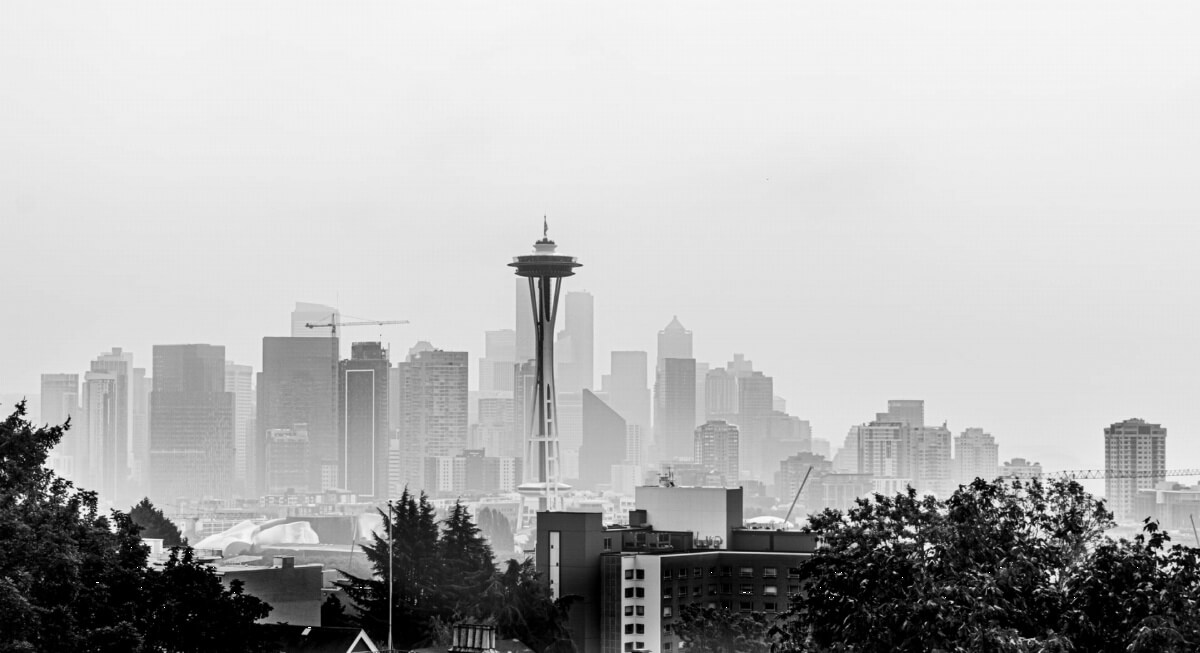
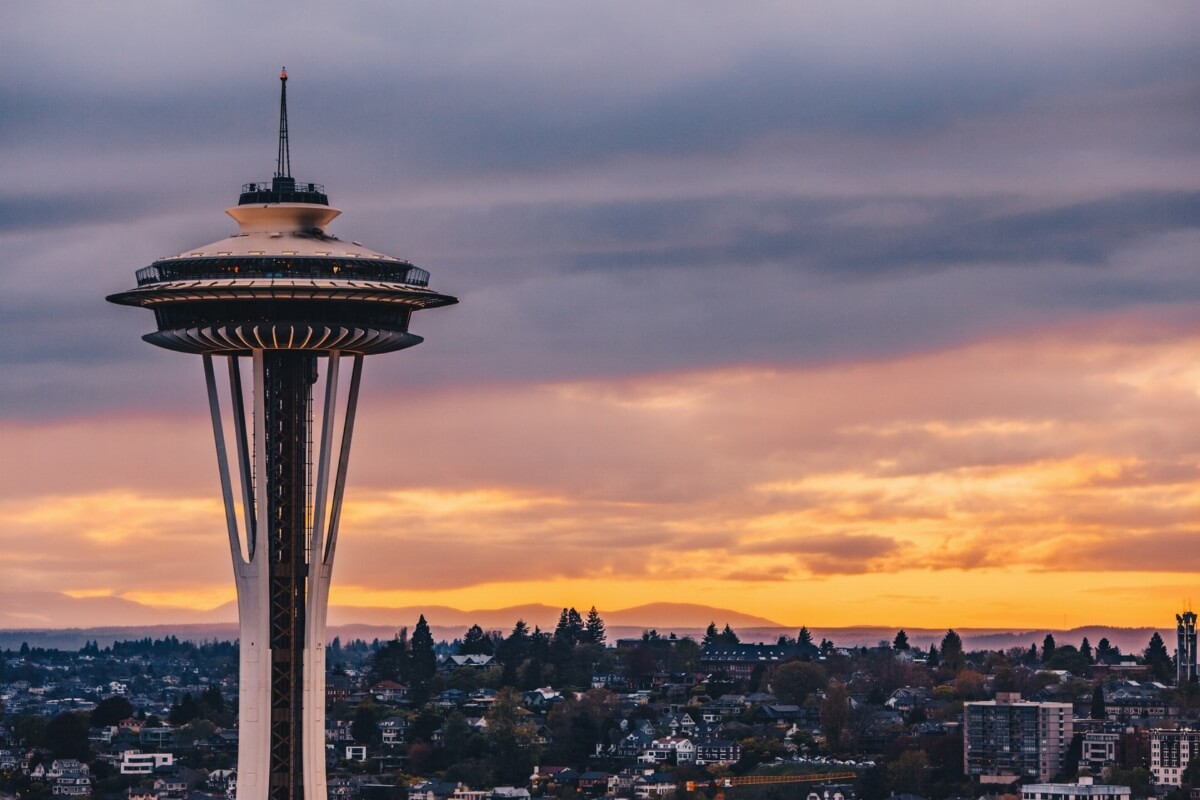
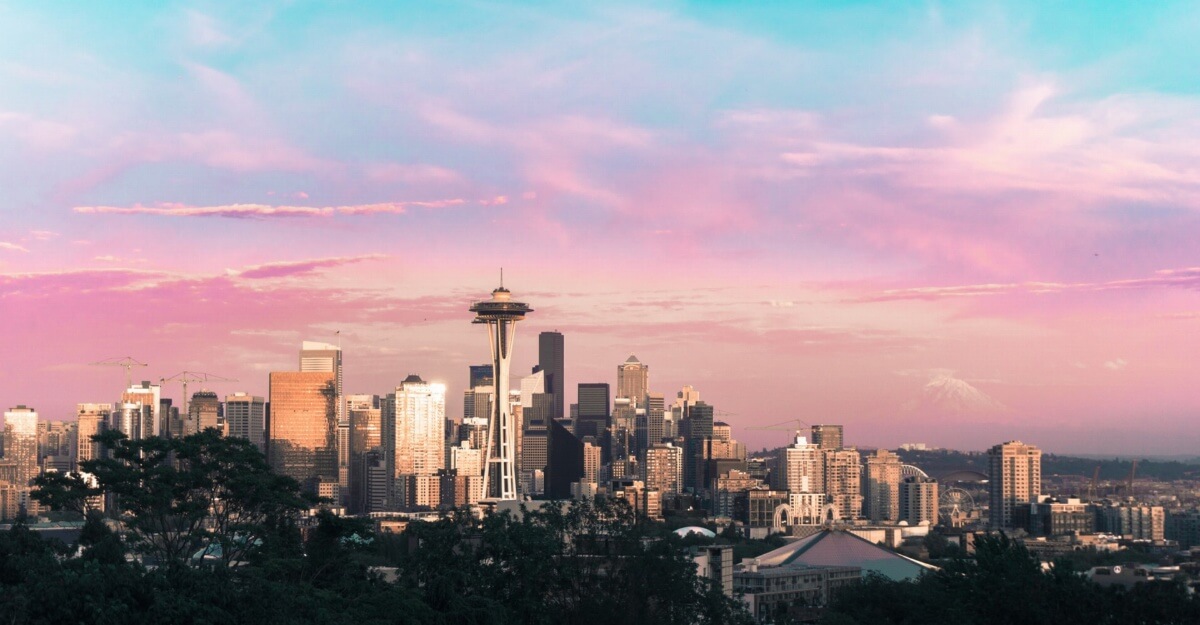
Last but definitely not least in Seattle. No list of great places to live in Washington or even the country can be complete without including Seattle, It’s a gem of a city with postcard views and a unique and recognizable skyline. 

The city boasts some of the best restaurants in the world along with one of the best live music scenes in the world. It’s the city that produced grunge and continues to leave a large, outsized cultural impact on the world. For those who are looking to live in a big city that is growing rapidly and also looking to advance their careers, Seattle is the place to be.

Cities In Washington Biggest Rent Increases

Washington is one of the fastest-growing states in the country. With a population increasing at such a rate, the housing supply can struggle to keep up over time. While Seattle may be the most popular destination and the most well-known city in the state, that doesn’t mean rents are increasing the fastest. The national average for rent increase over the last year was roughly 15% and many of the cities in Washington increased faster than the national average Here’s a list of the cities where rent is increasing the fastest:

Tacoma

 Over the last year, rent in Tacoma increased by 18.9%. That puts it well over the national average of 15% much higher than the state average of 14.2%. With remote work becoming increasingly common, places like Tacoma have become more desirable. While rent is increasing the fastest, the median price of a two-bedroom is only $1,680 compared to $2,170 in Seattle making it a much less expensive option. 

Bellevue

Coming in just below Tacoma is Bellevue at 18.7% rent growth. Bellevue is a city with plenty of employment opportunities and close proximity to Seattle making it a desirable place to live for a multitude of reasons. 

Bothell 

Bothell is a smaller city with just under 50K residents but it has seen rapid growth in recent. Over the last year, it increased 16.8%, significantly over the national and state averages. Bothell is mostly a commuter city but also has plenty of employment opportunities in the biotech and engineering industries which means many workers with high-paying jobs in the city might be seeking residence within the city. 

Everett

Everett is the largest city in Snohomish Couty and just like Tacoma, rent in the city is growing well over the national average at 16.7%. Remote work has created more opportunities for residents to choose less expensive options farther away from their employers. Landlords in a city like Everett have benefited from remote work with rents increasing rapidly. 

Redmond

Rent in Redmond is increasing slightly slower than Evertt but again, still well above the national and state averages. Over the last year, rent has gone up 16.3% in the city. Redmond is still close to Seattle making it easy for commuters but also creating an opportunity for a little change of pace for those who want to work remotely and leave the urban center of Seattle. 

Top 5 Fastest Growing Cities In Washington

Over the last decade, Washington has been one of the fastest-growing states in the country. It makes sense considering how attractive the state is for new residents. While the weather might not be the most moderate, it isn’t too extreme in the summers or the winters. There are a lot of economic opportunities for those looking to advance their careers, and there is plenty of entertainment and recreational activities all throughout the state. With a fast-growing population comes increased demand for housing. This means the rising value of homes and increases in rent. For property owners looking to keep up with this growing rental demand, using rental services like Autopilot can help streamline tenant screening, rent collection, and property maintenance. Here are the fastest-growing cities in the state:

Seattle

Seattle is the largest city in the state and one with an abundance of amenities and economic opportunities making it one of the most desirable cities in the country. The population increased by over 128k people over the last ten years. Even though the city has been building a lot of housing over the last decade, it hasn’t been able to keep pace with the population growth and rents have continued to increase over the years. As the population continues to grow, the city will continue to be an attractive place for those looking to rent a property. 

Kent

As the city of Seattle has grown rapidly, so have the rest of the suburbs surrounding it. One of the fastest-growing suburbs in the area is Kent. The population increased by 44k residents over the last decade. This has led to a drastic increase in both rent and home values in the city. As the demand continues to grow throughout the region, the surrounding cities will continue to be attractive areas for those seeking investment properties

Kirkland

Kent is the second-fastest-growing city in the state, but coming in a close second is the Seattle suburb, Kirkland. From 2010 to 2020 the population grew by just under 44k residents. Kirkland is an attractive suburb because of all the amenities it offers right there on the waterfront. 

Bellevue 

Bellevue is a midsize city with a fast-growing urban core and downtown area. Over the last 10 years, the population increased by almost 30k residents bringing the population up to 145k. With an abundance of economic opportunities and major corporations headquartered in the city as well as its proximity to Seattle, it makes Bellevue a city in high demand. 

Vancouver

Vancouver is a unique midsize city due to its proximity to a major out-of-state major city. It is a short commute to Portland Oregan making it an attractive place to live for those who are employed in the nearby city. Since 2010, the city has grown by almost 30k residents. This makes it the fastest growing city outside of the Seattle area.

Rent Trends In The Seattle Area

Between 2010 and 2020 the state of Washington has been one of the fastest-growing states in the country. The demand for housing in the state’s most populated city has and will only continue to increase as the population grows. 

When owning a rental property, you want to know what the general outlook and future are in the region and how that can impact the future value of your property. The city is a desirable place for young professionals and young couples to raise a family. There are plenty of job opportunities from older industries to tech startups. So how is rent trending in Seattle? Here is a quick look: 

Average rent by the number of bedrooms

  • Studio apartment: $1,754
  • 1 bedroom apartment: $2,325
  • 2 bedroom apartment: $3,437
  • 3 bedroom apartment: $3,927
  • Single-family home: $2,833 (up 7.7 percent)

Housing construction in the region

While rent has slightly decreased recently, it is up 22.48% over the last year. During the pandemic, housing construction decreased. It also decreased dramatically during the great recession despite the fact the population in the region was increasing at a fast pace. It took almost a decade for construction to recover. The question is will the fast growth outpace the construction of more homes. If that happens, rents will continue to increase at a rapid pace. 

There is also the question of supply on the size of homes. Only 3% of the apartments are 3 bedroom apartments compared to 56% being 1 bedroom. This means those looking for more space will need to opt for single-family homes or townhomes and condos. With the construction of new homes falling way behind after the recession, it could take a long time for new homes to match the demand for housing. When it comes to getting the most out of your property, Ziprent is a useful tool and can provide plenty of data and reports to assist you in both finding the right rent, and tenant placement. 

Rental Property Upgrades To Make Life Easier

There are a lot of aspects of being a landlord that can be both costly and time-consuming. This can range from routine maintenance to the time spent trying to place tenants in your property. Some of the issues around maintenance and tenant placement can depend on how outdated your rental property is.

There are other factors that impact this as well like the supply of housing in your region. If the supply is low and renters are competing for housing, this may not be a big concern unless you want to get the market rate for your property. Here are some ways to save you time and increase the appeal of your rental property:

Replace the carpets

Carpets can be a nightmare for both regular maintenance and tenant placement. It needs to be ripped up and replaced often during turnover as well as requires regular deep cleaning. Wood floors can be expensive, but for rental properties, laminate floors are a better option than real wood. They are more scratch-resistant, hold up against water damage better, parts of the floor can be easily replaced, and they are much cheaper. This can also save you time in the future when it comes to turnaround and filling your rental with a new tenant. 

Paint the rental unit

After a tenant moves out, give the interior a fresh coat of paint. This is a cheap and effective way to increase the appeal of the rental unit. Be sure to paint the home the same way you would your own. Some landlords just try to paint the interior quickly and don’t bother removing screws from the wall or taping up windows and outlets.

This leads to paint on light switches and outlets as well as on windows and can make your rental property less appealing. While you’re painting the interior, this might be a good time to replace your outlets and light switches as well. If your exterior is looking out of date, one way to improve the curb appeal is to give a quick paint job. 

Update appliances

Energy costs are high and when it comes to picking a home to rent, tenants may opt to lease a home with newer and more energy-efficient appliances. These costs can be considerable so you’ll need to consider the specifics of your property before replacing them. IF your appliances are more than 10 years old, you might want to consider replacing them. If you do, this will help fill your property faster and decrease the amount of time your property is vacant in between tenants. It can also help with the retention of long-term tenants. 

Upgrade the windows

One of the easiest ways to spot an outdated rental home is to look at the windows. If it is a single pane window with a metal frame, it may be time to upgrade the windows. A new double-pane window will improve the insulation, helping your tenant save money on energy as well as reduce street noise. This can be costly, but if you want to get top dollar in your market, this will help. 

Install low flow water features

If you cover the costs of water on your property, installing low-flow water features can save you a lot of money. With a family of four, these upgrades could save up to 20,000 gallons of water over the course of a year. That’s a lot of money, especially considering a rental property is a long-term investment where you’re expecting returns for over 20 years. 

Upgrade kitchen and bathroom

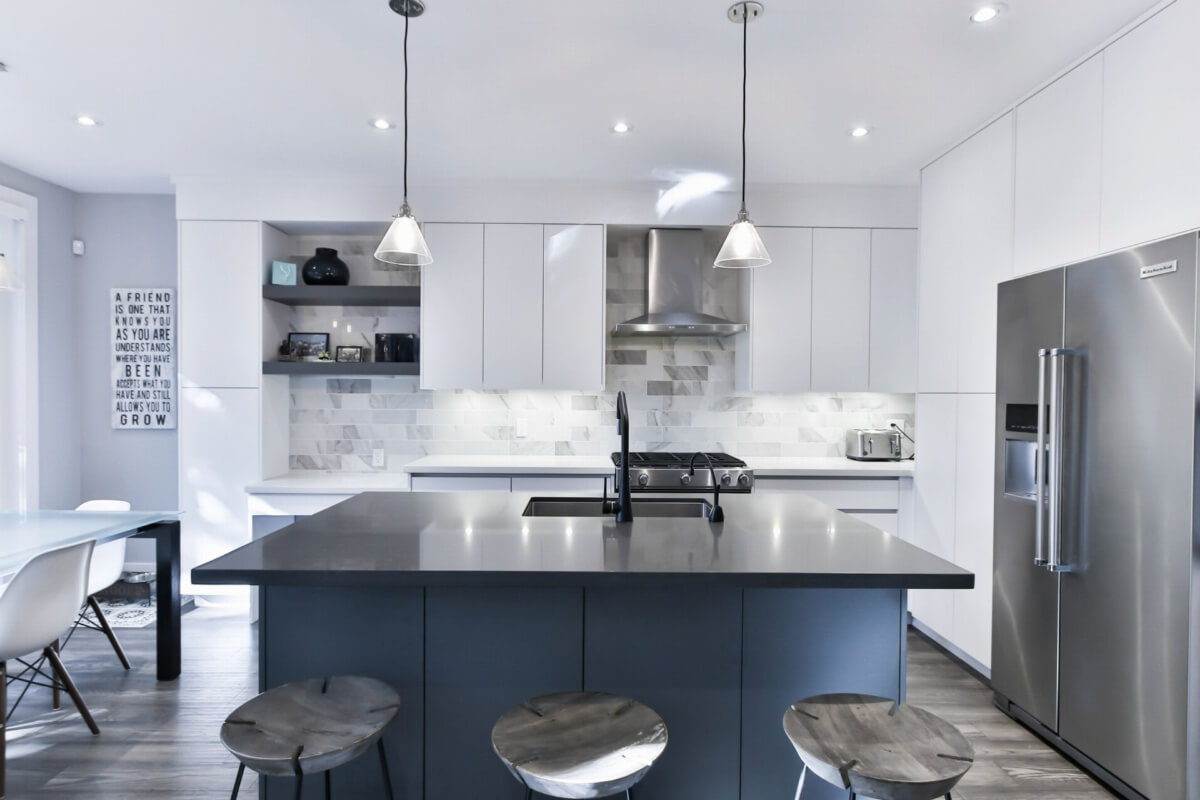
This can be costly so you’ll have to consider how competitive you want to be for market-rate and how difficult it is to fill your rental property with outdated features. All things being equal, a tenant is going to opt for an updated kitchen and bathroom. It doesn’t need to be top of the line, but if you haven’t updated anything since the 70s or 80s, it might be time to upgrade the cabinets and the vanity. 

Seven Tips For New Landlords

Just like first-time homeowners, new landlords are taking on a lot of new responsibilities and face a steep learning curve. Being a landlord isn’t as simple as posting your property on Zillow, filling it with a tenant, and collecting rent checks. Even if it is just one rental unit, it is still a business and in order to get the most out of your rental property, it is important to treat it as a business. Here are some tips for new landlords to help with the learning curve: 

It’s a business

Even if your rental property isn’t your primary source of income, it should still be treated as a business. Always communicate with your tenants professionally. Be responsive and attentive to the needs of both your property and your tenants. Becoming too casual or friendly with your tenants runs the risk of them not taking you seriously and they could try to take advantage of your business. Companies like Ziprent can help with the professionalism of your business. 

Have a Thorough screening process

A rental property is a big asset and a good source of income. You’ll want to protect that asset in any way possible. Making sure you have responsible tenants is an important step when it comes to protecting your property. This can create more expenses, but it can save you a lot of time and money in the long run. 

Check a potential tenant’s rental history. You’ll want to see if there are any evictions or red flags that might show they are a risk. You’ll also want to check their income to make sure they can afford rent. A rule of thumb used by landlords is to make sure a tenant makes 3x the amount of rent with their monthly income. You can also run a credit check to see if they have any outstanding debt or failure to pay creditors. Letting tenants know you screen for these things upfront may even prevent potential red flag tenants from applying in the first place. 

Know your local and federal laws

Even though being a landlord may not be your primary profession, you are still expected to be familiar with fair housing laws as well as any other state or municipal laws. You can read your local tenant-landlord laws online. If you’re having any trouble understanding the laws or are feeling overwhelmed, you can consult a lawyer. Knowing this information will help protect you from lawsuits. 

Have a well-written lease

A lease is a binding contract between you and your tenant. You’ll want to make sure the contract is clear about what the tenant is allowed to do on the property. There are the obvious aspects of a lease are how much rent is, when it is due, late fees, and the duration of the lease. There are other things to consider when it comes to writing a lease. For example, you’ll want to consider if a tenant can or can’t list extra rooms to rent on Airbnb. You can include pets that are and aren’t allowed as well as any fees included for pets. You can include what alterations a tenant can or can’t make like painting walls. Other things to include are lawn maintenance, parking instructions, pest control, as well as specifics about how the property can be used and subletting. 

Use software to manage property

If being a landlord isn’t your primary job or source of income, finding all the time necessary to properly manage the landlord business can be difficult. You won’t have the advantage of time and investment in development professionals have. One way to save yourself some time is to get some assistance through software. This will help you when it comes to collecting rent online as well as run reports like a profits and losses report to keep your finances up to date. 

Give incentives to keep good tenants

Good tenants are hard to find and high turnover can be costly and eat into your profits. Finding a quality tenant who intends to stay in the same place for a while is incredibly valuable. Even if you are increasing rent every year to keep up with the market rate, you’ll want to find ways to keep your tenant around. One way to do that is to agree to upgrade one item or part of the rental unit that needs upgrading. This can be anything from the toilet to the floors, or countertops. 

Increase rent annually

You’ll want to keep tabs on what the market rate for rent is as well as how much rent is increasing year over here. Recent trends show rents going up as the supply of housing stays low, if that were to reverse for some reason, then raising rent may not be the best idea. You’ll also want to make sure you don’t raise the rent too much if you have a tenant who wants to renew. If the tenant decides to leave because rent becomes too high, the turnover process could end up costing you more than any gains you’ll see from an increase in rent. 

Move-out Checklist For Tenants

Tenants usually think of checklists as something that should be used when moving in as a way to protect your security deposit. They should also be used when moving out. Moving is a high-stress situation and it is easy for many of the long lists of tasks to slip through the cracks. In order to prevent yourself from missing anything while moving out, use this checklist. This list will help protect your security deposit: 

Bedrooms and living spaces

Walls

Walls should be cleaned to the best of your abilities. Try to remove any markings if possible. If there are any holes in the wall they should be filled or patched up. 

Floors

Ideally, any hardwood or laminate floors should be free of any scratches, knicks, or deep grooves. Check to see the condition they are in and take any notes about the damage you find. Carpets should be vacuumed and floors should be swept and mopped before leaving. Carpets should also be free of any large stains or burn marks. Again, take note of any damages on the carpet before leaving. 

Closets

Empty out any closets and storage of personal belongings, even if you don’t plan on bringing them with you. The more items you leave behind, the more likely you are to be charged for their removal. Also dust, and vacuum the closet and storage space when done removing any personal belongings. 

Fans and vents

This can likely be ignored if you live in an older home without vents or fans, but dust down any ceiling fans or vents in the unit. 

Windows

Check the condition of the windows. There should be able to slide and lock properly without any cracks. Clean the blinds and remove any curtains you may have installed. Leave anything installed by the landlords. 

Kitchen

Range hood and stovetop

Clean the stovetop thoroughly. Make sure there’s no food, debris, or grease. Take note of any stains or burn markets that could cause some charges out of your security deposit. Check to see the condition of the range hood to make sure everything is functioning properly like the lights and the fan. 

Oven

Clean off any built-up grease and burnt food in the oven. Degrease and clean the oven racks and make sure the lights in the oven are working properly. 

Backsplash

Clean any grease and stains on the backsplash behind the sink and the stove. 

Sink and garbage disposal

Clean the sink and the garbage disposal to remove any excess food and grime that might have built up. 

Cabinets 

Empty out all of your cabinets and throw away or sell any items you don’t want to keep. Trash removal can take a lot of money out of your security deposit so try not to leave any junk behind. Wipe down all of the shelves in the cabinets and clean any stains or marks off of the cabinet doors. 

Countertops

Clean and degrease all the countertops. Try to remove any stains if possible. Take note of any permanent stains or burn marks because landlords could charge for those. 

Microwave

If your landlord has provided a microwave, make sure it is thoroughly degreased and cleaned on the inside so that it is in the condition it was when you moved in. Also, wipe down the exteriors to remove any grease or dust. 

Bathroom

Toilet

Clean and disinfect the toilet. Make sure there are no cracks and the flushing mechanism is working properly. If the take is dirty, use a tank cleaner as well. 

Shower and/or bathtub

Remove all of your personal items including the shower curtains if they weren’t provided by the landlord. If they were, clean and disinfect them. If any scum or stains have built up on the grout, use a grout cleaner. 

Sink

Clean and disinfect the sink. Try to remove any stains. Remove all personal items from the bathroom countertop. 

Mirrors and medicine cabinet

All the mirrors should be wiped down and personal belongings should be removed from the medicine cabinet. Be sure to also wipe down the shelves in the medicine cabinet.  

Should You Get Renter’s Insurance?

When it comes to securing your own belongings in a rental unit, there is more to consider than just the security features of the home or the building you’re renting a unit in. It’s not just potential theft a renter needs to worry about. There are a number of potential natural disasters or accidents that can cause you to lose your belongings and potentially the rental unit altogether. One way to protect yourself is to get renter’s insurance. Some landlords require renter’s insurance, but if they don’t, here are some of the benefits: 

It’s inexpensive

Renter’s insurance will cost you roughly 200 hundred dollars annually. If you break that down monthly, it would be like adding about 17 dollars a month to your rent. When you consider all the expensive electronics and other valuables in a home, paying 17 dollars a month to ensure it all can be a good deal. Costs can depend on a number of factors as well as the type of coverage you choose. Consider what best fits your needs when shopping around. 

It covers personal property

If for some reason your personal property were to be stolen or damaged, it could cost a lot of money to replace everything. It’s not just a matter of valuables like jewelry. Replacing all of the furniture in your home or an entire wardrobe can be both time-consuming and expensive. By insuring your rental unit, you’ll be able to ease the stress when it comes to the cost of replacing items in your home. Policies vary when it comes to protection, but here are some of the risks it can protect you from:

  • Damage caused by aircraft
  • Damage caused by vehicles
  • Explosion
  • Falling objects
  • Fire or lightning
  • Riot or civil commotion
  • Smoke
  • Theft
  • Vandalism or malicious mischief
  • Volcanic eruption
  • Weight of ice, snow, or sleet
  • Windstorm or hail
  • Damage from water or steam from sources including household appliances, plumbing, heating, air conditioning, or fire-protective sprinkler systems. 

Some other protections from natural disasters like earthquakes or flooding may not be covered in a traditional plan so be sure to look into what your risks are where your rental unit is located so you can get the best plan for your needs. Renter’s insurance also does not cover losses caused by your own negligence. If for some reason you were to fall asleep with your stove left on and you started a fire, it would not be covered through renter’s insurance. 

Liability coverage

One of the more overlooked risks of being a tenant is the liability tenants have for their guests. It’s a risk tenants either don’t know about or just assume it is taken on by the landlord. Tenants may also assume because the guests in their home are likely friends, they aren’t at any risk if there is some sort of accident. Renter’s insurance can protect you from any liability if someone is to get injured while in the unit you’re renting. This would cover any court judgments and legal expenses up to the policy limit. 

It covers belongings when you travel

Renter’s insurance doesn’t just cover your personal property when it is in your home. It covers any personal property that is left in your car or taken with you on vacation. 

Additional living expenses

If your home becomes uninhabitable for a variety of reasons listed above, your renter’s insurance could cover some of the costs to temporarily house and feed yourself while repairs are being made or you look for a new place to live. This can include rent, hotel expenses, food, and other living expenses. This all depends on the policy you choose, so consider what it may cover when picking a policy.