Tips For Tenants With Pets

Finding a new place to live can be a headache even if you don’t own any pets. Most of the country is experiencing a housing shortage which can add extra stress with more tenants competing for fewer homes. This means landlords can be more selective about who they choose to live in their properties. For pet owners, this can mean they might be passed over in favor of a tenant without any pets. Here are some tips when searching for a home with pets: 

Plan ahead

When you have a pet it’s essential to plan ahead when looking for a place to live. That’s just in normal times. When you’re searching for a place to live with a pet in the middle of a housing shortage, you’ll want to give yourself extra time while also having a backup plan if you can’t find a place to live in time. Give yourself a runway of at least 30 days and possibly 60. You’ll also want to have a backup plan like a short-term rental or renting a room instead of your own home or apartment. 

Consider the outdoor space

Take a look around the yard or the common grounds and see how secure the area is. If you have a dog, you’ll want to make sure it’ll be difficult for your dog to get out. Consider the traffic and how busy the street is as well. If your dog does get out, you don’t want him running in the street and getting hit by a car. Take note of the plants on the property and make sure they aren’t poisonous. If you have any questions about whether or not they could be harmful, check with the landlord or research the plants online. 

Tips For Tenants With Pets


There’s also a neighborhood factor to consider. Are there good places for you to walk your dog? Are there any dog parks or open spaces nearby where you can let your dog off their leash? Is there anything nearby that could cause an increased stress level for your pet? 

Think of alternative options

When it comes to leasing a home with a pet, it can get tricky. A lot of landlords will refuse tenants with pets outright and in a tight housing market, you may need to consider alternative options. One option is to look for accessory dwelling units that are leased by homeowners who live on site. They may be more lenient when it comes to leasing to pet owners. You can also consider renting a room from a homeowner looking for a roommate. 

Prove you’re a responsible pet owner

There are a number of reasons a landlord would choose not to lease to a pet owner. It could be because of the damage a pet can do to the property. They could chew up the walls and ruin the carpet. They could scratch the floors. They can ruin the screens. There are also other factors to consider. There’s the health and the safety of the neighbors and other tenants. There could be concerns about the noise factor. For example, a landlord may be concerned a dog will bark and annoy the neighbors. 

One way to ease the concerns of a landlord is to show you are a responsible owner. Show you have vaccinated your pet. Show all the medical records and if you have microchipped your pet. If you’ve sent your dog to any type of training or obedience school, you can show receipts or documents to a landlord as well. There’s no guarantee a landlord will change their mind about having a pet on-site, but it’s worth the effort especially if you are struggling to find a place to rent.

The 5 Fastest Growing Cities In Oregon

Over the last decade, Oregon has been the 13th fastest-growing state in the county. This is been driven in large by both affordability as well as employment opportunity. While other states have struggled with housing shortages, Oregon has been able to provide a better supply of housing. The state is popular for those who enjoy the outdoors for recreational activities as well as those who enjoy more urban settings for the arts, food, and culture. Here are the five fastest-growing cities in Oregon:

Portland

The 5 Fastest Growing Cities In Oregon

Portland is the largest city in Oregon and the 15h largest in the country and over the last decade, it has seen the largest population growth in raw numbers in the state. Since 2010, the city’s population has increased by 85,817 making it the 24th fastest growing city in the country. Beyond the city’s reputation for food, art, and entertainment are the economic opportunities for young professionals. Portland is also one of the more affordable major cities with inclusive zoning laws allowing for the construction of more affordable new homes. It has become an attractive city for young professionals who want to eventually own a home or invest in rentals, making property management services a valuable resource for navigating Portland’s growing market.

Bend

While Bend is mostly a tourist city, it has managed to become the second-fastest-growing city in Oregon. Since 2010, its population has increased by 24,851bringing the total population to just over 99k. It is now the 6th largest city in Oregon and the 140th fastest-growing city nationwide. Bend has become an attractive place to live with its focus on the arts and community. It is host to a film festival and in recent years has improved public transit making the city accessible for everyone. 

Salem

Salem, the capital of Oregon, is the 3rd fastest growing as well as the 3rd largest city in Oregon. Since 2010 the population has grown by 23,726 residents making it the 155th fastest growing city nationwide. The largest job sector in the city is the government making it a popular place to live for those working in the public sector. This gives the city a stable job market and local economy with room to grow more in the future. 

Eugene

The 5 Fastest Growing Cities In Oregon

In the last decade, Eugene’s population is grown by 23,666 making it the 160th fastest-growing city in the country. It’s also the 2nd largest city in the country and it is most well known for being home to the University of Oregon and where Nike first started. It’s also known for being where the movie Animal House was filmed. Education and healthcare are the largest industries in the city but there’s also a growing industry of breweries and agriculture which has been a driver in the population growth over the last decade. 

Hillsboro

Hillsboro is a large suburb of Portland and the 5th fastest growing city in Oregon. Since 2010, the population has increased by 18,222 making it the 242nd fastest-growing city nationwide. Because of its proximity to Portland as well as the growing tech industry within the city, Hillsboro has been able to grow its population to just over 100 thousand residents.    

Top 5 Fastest Growing Cities In Washington

Over the last decade, Washington has been one of the fastest-growing states in the country. It makes sense considering how attractive the state is for new residents. While the weather might not be the most moderate, it isn’t too extreme in the summers or the winters. There are a lot of economic opportunities for those looking to advance their careers, and there is plenty of entertainment and recreational activities all throughout the state. With a fast-growing population comes increased demand for housing. This means the rising value of homes and increases in rent. For property owners looking to keep up with this growing rental demand, using rental services like Autopilot can help streamline tenant screening, rent collection, and property maintenance. Here are the fastest-growing cities in the state:

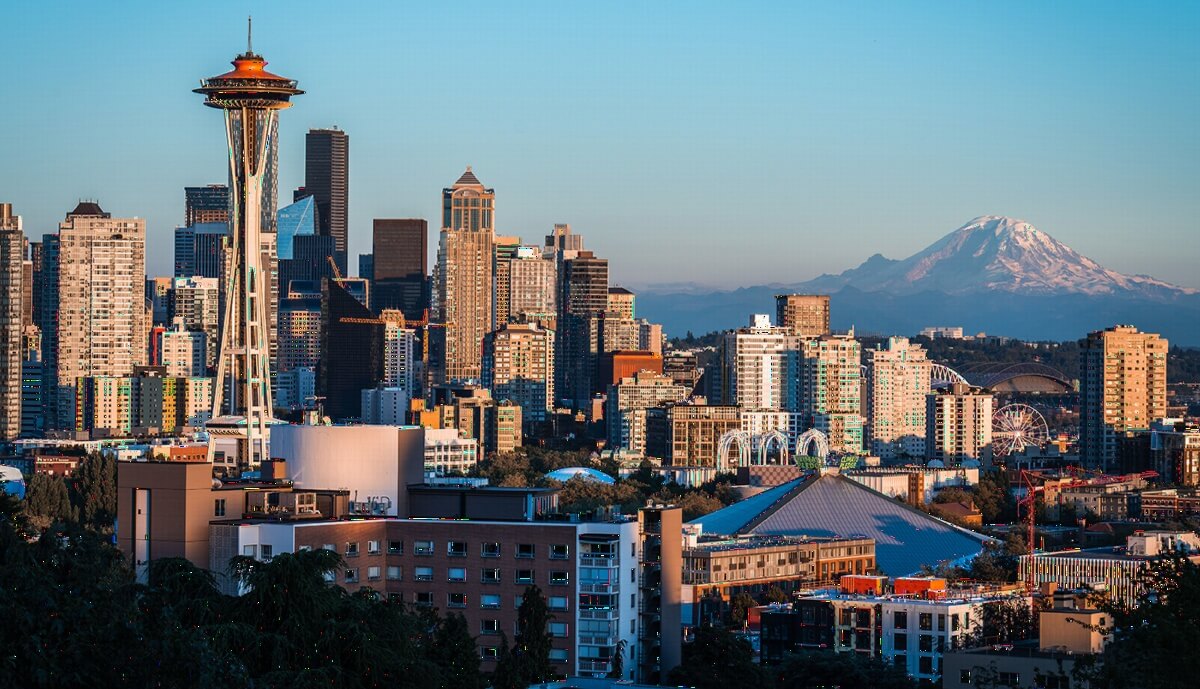
Seattle

Seattle is the largest city in the state and one with an abundance of amenities and economic opportunities making it one of the most desirable cities in the country. The population increased by over 128k people over the last ten years. Even though the city has been building a lot of housing over the last decade, it hasn’t been able to keep pace with the population growth and rents have continued to increase over the years. As the population continues to grow, the city will continue to be an attractive place for those looking to rent a property. 

Kent

As the city of Seattle has grown rapidly, so have the rest of the suburbs surrounding it. One of the fastest-growing suburbs in the area is Kent. The population increased by 44k residents over the last decade. This has led to a drastic increase in both rent and home values in the city. As the demand continues to grow throughout the region, the surrounding cities will continue to be attractive areas for those seeking investment properties. 

Kirkland

Kent is the second-fastest-growing city in the state, but coming in a close second is the Seattle suburb, Kirkland. From 2010 to 2020 the population grew by just under 44k residents. Kirkland is an attractive suburb because of all the amenities it offers right there on the waterfront. 

Bellevue 

Top 5 Fastest Growing Cities In Washington

Bellevue is a midsize city with a fast-growing urban core and downtown area. Over the last 10 years, the population increased by almost 30k residents bringing the population up to 145k. With an abundance of economic opportunities and major corporations headquartered in the city as well as its proximity to Seattle, it makes Bellevue a city in high demand. 

Vancouver

Vancouver is a unique midsize city due to its proximity to a major out-of-state major city. It is a short commute to Portland Oregan making it an attractive place to live for those who are employed in the nearby city. Since 2010, the city has grown by almost 30k residents. This makes it the fastest growing city outside of the Seattle area.

Move-out Checklist For Tenants

Tenants usually think of checklists as something that should be used when moving in as a way to protect your security deposit. They should also be used when moving out. Moving is a high-stress situation and it is easy for many of the long lists of tasks to slip through the cracks. In order to prevent yourself from missing anything while moving out, use this checklist. This list will help protect your security deposit: 

Bedrooms and living spaces

Walls

Walls should be cleaned to the best of your abilities. Try to remove any markings if possible. If there are any holes in the wall they should be filled or patched up. 

Floors

Ideally, any hardwood or laminate floors should be free of any scratches, knicks, or deep grooves. Check to see the condition they are in and take any notes about the damage you find. Carpets should be vacuumed and floors should be swept and mopped before leaving. Carpets should also be free of any large stains or burn marks. Again, take note of any damages on the carpet before leaving. 

Closets

Empty out any closets and storage of personal belongings, even if you don’t plan on bringing them with you. The more items you leave behind, the more likely you are to be charged for their removal. Also dust, and vacuum the closet and storage space when done removing any personal belongings. 

Fans and vents

This can likely be ignored if you live in an older home without vents or fans, but dust down any ceiling fans or vents in the unit. 

Windows

Check the condition of the windows. There should be able to slide and lock properly without any cracks. Clean the blinds and remove any curtains you may have installed. Leave anything installed by the landlords. 

Kitchen

Range hood and stovetop

Move-out Checklist For Tenants

Clean the stovetop thoroughly. Make sure there’s no food, debris, or grease. Take note of any stains or burn markets that could cause some charges out of your security deposit. Check to see the condition of the range hood to make sure everything is functioning properly like the lights and the fan. 

Oven

Clean off any built-up grease and burnt food in the oven. Degrease and clean the oven racks and make sure the lights in the oven are working properly. 

Backsplash

Clean any grease and stains on the backsplash behind the sink and the stove. 

Sink and garbage disposal

Clean the sink and the garbage disposal to remove any excess food and grime that might have built up. 

Cabinets 

Empty out all of your cabinets and throw away or sell any items you don’t want to keep. Trash removal can take a lot of money out of your security deposit so try not to leave any junk behind. Wipe down all of the shelves in the cabinets and clean any stains or marks off of the cabinet doors. 

Countertops

Clean and degrease all the countertops. Try to remove any stains if possible. Take note of any permanent stains or burn marks because landlords could charge for those. 

Microwave

If your landlord has provided a microwave, make sure it is thoroughly degreased and cleaned on the inside so that it is in the condition it was when you moved in. Also, wipe down the exteriors to remove any grease or dust. 

Bathroom

Toilet

Clean and disinfect the toilet. Make sure there are no cracks and the flushing mechanism is working properly. If the take is dirty, use a tank cleaner as well. 

Shower and/or bathtub

Remove all of your personal items including the shower curtains if they weren’t provided by the landlord. If they were, clean and disinfect them. If any scum or stains have built up on the grout, use a grout cleaner. 

Sink

Clean and disinfect the sink. Try to remove any stains. Remove all personal items from the bathroom countertop. 

Mirrors and medicine cabinet

All the mirrors should be wiped down and personal belongings should be removed from the medicine cabinet. Be sure to also wipe down the shelves in the medicine cabinet.  

Should You Get Renter’s Insurance?

When it comes to securing your own belongings in a rental unit, there is more to consider than just the security features of the home or the building you’re renting a unit in. It’s not just potential theft a renter needs to worry about. There are a number of potential natural disasters or accidents that can cause you to lose your belongings and potentially the rental unit altogether. One way to protect yourself is to get renter’s insurance. Some landlords require renter’s insurance, but if they don’t, here are some of the benefits: 

It’s inexpensive

Renter’s insurance will cost you roughly 200 hundred dollars annually. If you break that down monthly, it would be like adding about 17 dollars a month to your rent. When you consider all the expensive electronics and other valuables in a home, paying 17 dollars a month to ensure it all can be a good deal. Costs can depend on a number of factors as well as the type of coverage you choose. Consider what best fits your needs when shopping around. 

It covers personal property

If for some reason your personal property were to be stolen or damaged, it could cost a lot of money to replace everything. It’s not just a matter of valuables like jewelry. Replacing all of the furniture in your home or an entire wardrobe can be both time-consuming and expensive. By insuring your rental unit, you’ll be able to ease the stress when it comes to the cost of replacing items in your home. Policies vary when it comes to protection, but here are some of the risks it can protect you from:

Should You Get Renter's Insurance?
  • Damage caused by aircraft
  • Damage caused by vehicles
  • Explosion
  • Falling objects
  • Fire or lightning
  • Riot or civil commotion
  • Smoke
  • Theft
  • Vandalism or malicious mischief
  • Volcanic eruption
  • Weight of ice, snow, or sleet
  • Windstorm or hail
  • Damage from water or steam from sources including household appliances, plumbing, heating, air conditioning, or fire-protective sprinkler systems. 

Some other protections from natural disasters like earthquakes or flooding may not be covered in a traditional plan so be sure to look into what your risks are where your rental unit is located so you can get the best plan for your needs. Renter’s insurance also does not cover losses caused by your own negligence. If for some reason you were to fall asleep with your stove left on and you started a fire, it would not be covered through renter’s insurance. 

Liability coverage

One of the more overlooked risks of being a tenant is the liability tenants have for their guests. It’s a risk tenants either don’t know about or just assume it is taken on by the landlord. Tenants may also assume because the guests in their home are likely friends, they aren’t at any risk if there is some sort of accident. Renter’s insurance can protect you from any liability if someone is to get injured while in the unit you’re renting. This would cover any court judgments and legal expenses up to the policy limit. 

It covers belongings when you travel

Renter’s insurance doesn’t just cover your personal property when it is in your home. It covers any personal property that is left in your car or taken with you on vacation. 

Additional living expenses

If your home becomes uninhabitable for a variety of reasons listed above, your renter’s insurance could cover some of the costs to temporarily house and feed yourself while repairs are being made or you look for a new place to live. This can include rent, hotel expenses, food, and other living expenses. This all depends on the policy you choose, so consider what it may cover when picking a policy.

Cleaning Schedule For Tenants

While the responsibility for maintaining the functionality of the rental unit falls on the property manager or the landlord, maintaining the cleanliness inside is the responsibility of the tenant. Keeping to a regular cleaning schedule can help you maintain your home and potentially keep more of your security deposit if you plan to move out. To keep a regular schedule, you can break down cleaning tasks into daily, weekly, monthly, and annually. Here is a useful cleaning schedule: 

Daily

Wipe down surfaces

Every surface can collect dirt and dust. Give a quick wipe down of the surfaces around your home every day, especially those you use frequently like countertops and tables. This will help keep the rest of your home from collecting dust while also increasing the longevity of your furniture and floors. 

Clean the sink

Using dish soap or a cleaning spray, clean the sink every single day. This will help prevent bacteria from building up while also making the sink last longer.

Vacuum and sweep

Sweeping and vacuuming daily will prevent any dirt build up on your carpets and floors, especially in difficult-to-reach places like under your couch. Preventing the dirt build-up on your floors helps maintain the quality of your carpet and floors. 

Weekly

Clean sink and countertops

While you should wipe these down daily, once a week you should give a deeper scrubbing to these parts of the home. Make sure you get in all the cracks and crevices to keep any mold or grime from building up. 

Clean the microwave

With a sponge and soap, wipe down the inside of the microwave to prevent build-up which would make it a much more difficult task down the road. 

Mop the floors

After you do your daily sweeping, be sure to mop the floors at least once a week. This will prevent any built of dirt and grime that will be much more difficult to clean up later on. 

Scrub the toilet

Scrub the toilet at least once a week to prevent any buildup from hard water and human waste. This will help keep your toilet bowl looking sparkling clean and prevent any stains. 

Clean your fridge

Go through the contents of your refrigerator and remove anything that has gone bad. Be sure to wipe down the surfaces especially if there have been any leaks or spills. This will help prevent any bad odors from building up and a need for a deep cleaning later on. 

Monthly 

Dust above your head

Clean any dust and cobwebs from ceiling lights, high shelves, and fans. This will help prevent dust from building up in the rest of the house. 

Dust and clean your vents

Cleaning vents is an important safety measure as it can reduce the risk of fire in your home. It’ll also keep dust from spreading throughout your house when the heating or AC is on. 

Clean walls and baseboards

Walls can collect a lot of dust, dirt, and grime, especially the baseboard. Giving a monthly wipe-down will keep the paint in good condition and keep your home looking clean and presentable. Use this time to remove any cobwebs that may have built up in the upper corners of each room. 

Clean windows and blinds

Cleaning Schedule For Tenants

Clean both the interior and if you can the exterior of your windows. They can collect a lot of dirt and dust over the course of a month. It is the same with your blinds. Waiting too long to clean your blinds can leave them stained and difficult to clean. 

Scrub the grout

Cleaning the grout regularly will help prevent mold build-up which would create more serious damage. If the grout is looking gray or black, it is in need of a cleaning. 

Clean garbage disposal

Use a garbage disposal cleaner once a month. This will help the upkeep of the garbage disposal while also keeping your sink from spreading bad odors throughout the house. 

Annual

Clean behind appliances

This may require some help from a friend, family, or roommates. If you don’t have anyone to help move the larger appliances, you might want to hire someone for deep cleaning. Pull the appliances away from the wall to give you enough space to clean and remove all the dust build-up. After the dust has been removed, mop the floor area and wipe down the walls. 

Deep clean carpets and upholstery 

If you need to, you can rent a carpet cleaner to clean both the carpets and upholstery. Another option is to hire a carpet cleaner. The best time of the year to do this is after the rainy season has ended in the spring or possibly the summer depending on the climate you’re in. 

Deep clean oven

This is important in preventing any grease build-up which can be a dangerous fire hazard. 

Wipe down shelves and cabinets

Since this is where you store your dishes and food, you’ll want to make sure there isn’t a lot of dust and dirt build-up.  

How To Access Your Profit And Loss Statement

How to access your “Profit and Loss Statement“

Ziprent keeps a number of reports for each of your properties to make sure some of the most valuable data is all in one place. This information will assist in your ability to make smart and informed decisions based on each individual property you own. Keeping track of both your expenses and your income will help you figure out where you can cut costs as well as ways to increase income. If you have any questions about the reports, you can contact Ziprent. If you want to access your “Profit and Loss Statement” just follow these simple steps:

Step 1:

Log into your Ziprent account.

Step 2:

In the top right corner, you will see your username. Click on your username.

How To Access Your Profit And Loss Statement

Step 3:

After clicking on your username, drag your mouse down and click on the “Reports” button. This will give you access to all of the reports Ziprent keeps for your properties.

How To Access Your Profit And Loss Statement

Step 4: 

On the left side of the “Reports” page, you’ll see a dropdown box that will allow you to select any report you wish to see. Click on that dropdown box.

How To Access Your Profit And Loss Statement

Step 5: 

After clicking on the dropdown box, drag your mouse and select “Profit and Loss Statement”

How To Access Your Profit And Loss Statement

Step 6:

Under the dropdown box is a box where you can select which property of yours you would like to see the “Profit and Loss Statement” for. Select a property.

How To Access Your Profit And Loss Statement

Step 7: 

Select the dates for the time period you would like the report to show. For example, if you want to see your report from 2020, you would select 1/1/2020 to 12/31/2020.

How To Access Your Profit And Loss Statement

Step 8: 

Now you have your “Profit and Loss Statement.” You will be able to see your net income as well as your total expenses for your property. You can also download your report in the form of a PDF or a CSV, whichever you prefer.

How To Access Your Profit And Loss Statement

SB 9 Passes Committee in State Assembly

Over the past two years the California state legislature has been looking to pass bills that would help address the housing crisis. SB 9 just got one step closer on August 19th the bill passed in the appropriations committee in the State Assembly. There was only one no vote in the committee and the bill has seen strong support in both chambers throughout the process. 

What happens next?

Now that the bill has moved out of committee, it will move to the floor for a final vote. Since the bill has already been approved by the state senate, it will head to Governor Newsom’s desk to be signed into law if the Assembly passes the bill. 

What would that mean for landlords?

Current laws in most areas limit the ability for homeowners to add more units onto each lot. Single family zoning which makes up a large percentage of housing in the state means that only one unit is allowed on each lot. SB 9 would change that for some single family lots, depending on where they are located. This means that if one of your rental properties qualifies under SB 9, a landlord could potentially add more rental units on each lot. 

SB 9 would allow for owners to build a duplex on a single family lot. It would also allow owners to split a lot into two lots, building a second home, or a second duplex on each lot. There are limits to how many units can be on each lot and the law restricts owners from adding accessory dwelling units to each lot that has a duplex built on it. 

Limits for developers

SB 9 Passes Committee in State Assembly

While SB 9 makes it easier for property owners to add more units on their lot, there are restrictions that are targeted to limit developers from buying up too many lots in the same neighborhood. If two lots next to each other are owned by the same person or company, only one lot can be split into two or have duplexes built on the lot. 

While SB 9 limits the ability of local governments to stop landowners from building more units on their lots, there are restrictions for those who own homes in historic neighborhoods. Depending on the local governments, there could also be certain design restrictions that require new homes to meet a specific style. Other than that, there is little a local government would be able to do to stop a landlord from adding more rental units to each lot. 

More opportunity

While some landlords may have just one or two properties and aren’t concerned with growing their business, others who are more ambitious and plan on growing their business will see SB 9 as a great opportunity. The California housing crisis is decades in the making and has a deep hole to dig out of in order to create a large enough supply of housing to match the demand. With rents going up fast in the short term and expected increases in the long term, adding more units to each lot is a great way to increase income and potentially buy more property.

How To Keep Rental Property Occupancy Rate High

Even with a housing shortage and tenants competing for housing, you can still try to maintain a high occupancy rate. The longer a tenant stays in a unit, the fewer days a year that unit sits unoccupied while it is being turned over. There are many short term and long term ways to keep your occupancy rate high. 

Location. Location. Location

When it comes to the rental properties you already own, this won’t factor into your equation. But when you are looking for rental properties, here are some things to consider: 

  • Area job growth. Are more people moving into the area for work than leaving?
  • Walkability. Is it the kind of neighborhood with restaurants, retail, parks etc within walking distance?
  • Nearby transit. Not every tenant has or needs a car. Being close to transit means more tenants will find that property desirable. 
  • Low crime. 

Tenant screening

Tenant placement is an important factor when it comes to maintaining high occupancy. You want to avoid people with checkered backgrounds or those who tend to not stay in a property for too long. A little extra work can go a long way in securing high occupancy. Here are a few ways: 

  • Credit report. Make sure a potential tenant pays their bills on time and isn’t accumulating too much unpaid debt
  • Check their eviction history. 
  • Run a criminal background
  • Speak with their employers to verify the veracity of information on their application.
  • Talk to current and former landlords especially if there are any past evictions.

Good tenant/landlord relationship

While long term rentals aren’t the hospitality industry, customer service is still important. Tenants aren’t just paying for a roof over their heads and a place to keep their stuff. They are also paying for everything to be functional and in good condition both in the unit as well as any amenities on the property. Here are some options for keeping positive relations with your tenants: 

  • Be sure to respond to tenants in a timely manner
  • Keep in contact with tenants about any big changes being planned. Give them a heads up for renovations and repairs that might create a lot of noise or require the water to be shut off. Give your tenants ample time to make plans for any kind of potential disruptions
  • Give your tenants privacy and space. While you do own the property, allow for them to feel free on the property without a watchful eye on them. 

Good upkeep

How To Keep Rental Property Occupancy Rate High

Maintaining the property as well as making important updates to certain amenities can help keep tenants in the same unit longer. Depending on how long a tenant is in a particular unit will require some updates and maintenance. Here are a few to consider: 

  • Carpet cleaning. Pay for an annual carpet cleaning and the carpet will last longer and you’ll have a happy tenant. 
  • Fresh paint. Both on the exterior and the interior. 
  • Regular landscaping. 
  • Upkeep of common areas like a laundry room and BBQ area. 

Other considerations

About 15.3 million households move annually. Some of those who move, tend to move once a year or even multiple times a year. Ideally, the tenants who tend to stay in one place for a while would be the one who moves in. If you find your tenants aren’t staying as long as you like, you can conduct exit interviews as they move out to try and understand why they don’t want to stay. 

Some market research might help as well. Look to similar properties in the area to find out if you are charging too much or too little rent. If the rent is too high, they could be seeking out a new place to live with more amenities and better value. 

Towards the end of a lease you can offer to upgrade some of the amenities. This can also be in conjunction with the need to raise the rent. Offer them two prices, a higher price for month to month, or a lower price for a year long lease and include any upgrades that would be planned if the unit were to be turned over.  

Be flexible on the lease terms or services. Consider what might work best for your tenants and try to work with them within reason. 

Maintain a user friendly website. This includes not just an easy way to find what rental properties are available, but also easy access to pay rent and make maintenance requests. 

At the end of the day, if your tenants are happy and feel like they aren’t being exploited, they are more likely to stay. A responsive landlord can make a tenant feel at home and taken care of creating a positive relationship and a long term tenant. 

What Does AB 1401 Do For California?

Real estate in California is at a premium. Most of the land in the metropolitan areas and job centers have been developed. With most of the major cities along the coast, it also limits how much land can be developed east, as eventually, all housing would be too far from job centers. Parking takes up a large amount of the developed land in the state, in part because of minimum parking requirements by the state and local governments. AB 1401 would aim to reduce the parking minimums and also eliminate parking requirements for certain properties.

What does AB 1401 do?

If AB 1401 is signed into law, it would prevent local governments from requiring parking minimums on commercial, residential, and other lots if they are within a half mile, or walk-able distance of a major public transit stop. It would also apply to neighborhoods with a low VMT (vehicle miles traveled) area as defined by the office of planning and research. This means areas with walk-able communities where people don’t drive much won’t have parking minimums. The focus of the bill would be to allow housing to be built while keeping construction costs down by not requiring parking spots.

The cost of parking spots

Parking spots are expensive and they drive up construction costs. Even if nobody needs the parking spot, it is still required and can cost anywhere from 20k dollars for just a normal paved parking spot, all the way up to 80k dollars for a spot in a parking garage. Parking spots can increase the cost by up to 17% depending on the type of building.

What Does AB 1401 Do For California?

Will people rent without parking spots?

There’s really no way of knowing how many people would be willing to rent a unit without off street parking. In California, the parking minimums means the market has never been able to decide. In Los Angeles County there’s two parking spots for each resident, but 7.5 percent of households in the county don’t even own a car.

We also don’t know what kinds of decisions residents will make when given the option between paying less in rent and taking public transit as opposed to paying more and owning a car. These decisions get made all the time when it comes to how many bedrooms, bathrooms, certain appliances etc are in the unit. It’s reasonable to think if people are given the option, they may choose the unit without parking.

Why parking minimums limit multifamily properties

Even if local laws allow for a certain number of units as well as the required square footage for those units, the parking minimums might actually make building the maximum number of units on a lot impossible. For example, if someone wanted to build an ADU and a junior ADU on their property, but the only way to do that meant using some parking spaces, it would not be possible. By removing parking minimums, those spaces now become useful real estate for building more units.

This would also apply to a multifamily apartment building. A ten unit apartment complex could fit on a lot that is zoned for multifamily, but if it requires one spot for each unit or per bedroom, that complex can’t be built.

Commentary

Until recently, I always owned a car. Since my 16th birthday, a car was a part of my life. Not long after I started working from home a few years ago, I was rear ended and my car was totaled. At the same time, my landlord decided to start charging for parking. I live in a walk-able neighborhood, and I was driving my car maybe once every 10 days. At this point, I could no longer justify the cost of owning a car. With remote jobs becoming increasingly common, the demand for a car and off street parking could decrease.