DIY: How To Paint The Interior Of Your Home

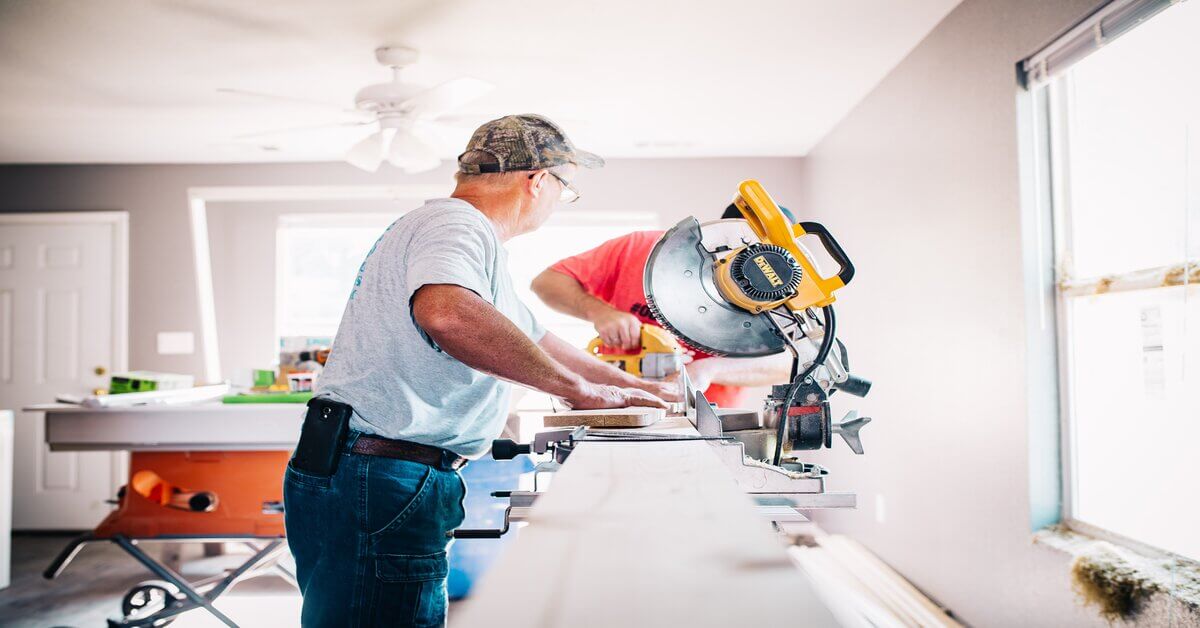
Routine maintenance on a rental property can get expensive. Especially if tenants aren’t staying in the property for more than a year. Having to pay painters to come in and touch up, or completely repaint a rental property whenever a tenant moves out can add up costs quickly. One option to reduce your costs is to take the time to paint the interior of your properties instead of paying professionals to do it for you. If done correctly, you can end up with professional results at a fraction of the cost. Here are some helpful tips so you can do it yourself.

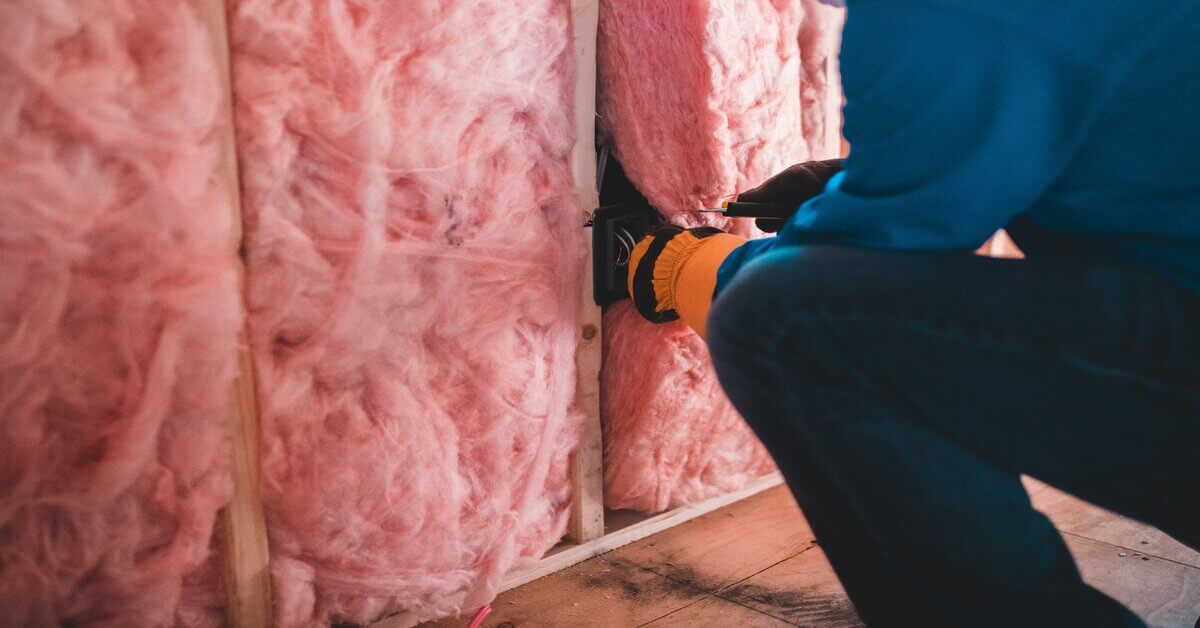
Remove switch plates and outlet covers

Before removing the switch plates and outlet covers, make sure you turn off all the circuits so you don’t get shocked. Use a screwdriver to remove the plates and covers before painting. Soak them in warm water to clean them while painting. Cover the space where the plates were with blue painter’s tape so you don’t accidentally paint them.

Cover unmovable items and floor

Use plastic tarps or rosin paper to cover the floor and any other objects to protect them from paint dripping. 

Remove or mask trim

If possible, remove baseboards before painting. If you can’t, cover the top part of the baseboards with blue painter’s tape. Cover the edges of doors and window trim with painter’s tape as well. 

Patch the walls

Examine the walls for any holes, peeling, scratches, cracks, or gouges. Smooth over all of these to ensure a smoother and more professional finish. Use fine-grit sandpaper to smooth over any cracks. With a paint scraper, scrape off any peeling paint. Smooth over and feather edges of scraped paint with sandpaper. Sand and spackle large blemishes. 

Clean the walls

Any visible stains or blemishes will be visible after painting so make sure you clean the walls thoroughly prior to painting. You can wash the walls with tri-sodium phosphate. This is effective at removing oils and dirt. 

Fill a clean bucket with cool water and pour in the specific amount of TSP. Use proper protective gear like manufacturer-recommended gloves, protective eyewear, and long sleeves. Be sure to not get any on your skin or in your eyes. Read safety instructions beforehand and know what to do if any gets on your skin or in your eyes. Soak a sponge with the solution and scrub the walls. After walls are scrubbed clean, fill the bucket with clean water and wash the walls then let them dry before priming. 

Prime the walls

Primer can be used to help cover any stains on the walls. If the walls have been thoroughly cleaned, you can consider using self-priming paint. An oil-based primer is recommended for indoor walls. If stains couldn’t be removed before priming, use a specific primer to keep stains from seeping through to the paint. Continue to add layers of primer until the stains are no longer visible. 

Cut in the edges

This means painting the areas along the edges with a brush where rollers will not be able to reach. This will help you avoid getting paint on frames, trim, and baseboards. Use an angled brush or an edging tool when cutting in.  

Prepare roller with paint

Dip the roller into the paint but don’t keep it in too long. You want to avoid any paint dripping from the roller. Roll the roller back and forth in the paint until it is thoroughly coated and you can hear a sticky sound.

Use roller in a “W” shape

Start in the corner of the room and make a 3-foot downward angle pass and back up again making a W shape. Keep doing this until all the gaps are filled. It is important to move quickly before the edges have a chance to dry. 

Fill in and finish

Continue to this process while occasionally stepping back to look for any blank spots that need to be covered.  Look for any gaps at the edges of where you previously cut in along the edges and fill in with the roller with horizontal or vertical passes. 

SB 10 Heads To Governor’s Desk

SB 10, a housing bill that impacts how local governments can rezone land, has passed in both the state senate and the assembly. Now that it has been passed, it heads to Governor Newsom’s desk where it will be signed into law. Newsom may not sign it immediately because of the impending recall election and many of the candidates running for governor have stated they will veto SB 10 if they are elected into office. Whether or not the bill ends up law could depend on the results of the midterm election. 

What does SB 10 do?

SB 10 doesn’t mandate anything statewide and doesn’t force cities to change anything they are currently doing. What it does do is make it easier to rezone parcels of land in transit-rich and job-rich areas. Specifically, it allows local cities to upzone parcels of land up to 10 units. Sb 10 streamlines the process and ensures projects of up to 10 units won’t be mired in long-drawn-out lawsuits. This can help keep the costs of construction down by reducing legal fees as well as speeding the construction up. 

The bill still allows cities to make decisions about zoning and urban infill. Cities do however need to meet their quota for new housing construction which is required by the state. SB 10 will help to make sure those numbers can be met by allowing the city to upzone parcels of land without any long legal battles that can delay a project for a decade.

With laws allowing landlords to increase the number of units on their lots, it creates more to manage. Ziprent can help landlords manage and grow their business by making property management easier.

SB 9 Passes California State Assembly

SB 9 passed the California State Assembly on August 24th. The bill passed with 44 ayes and 16 noes and is now ordered to the State Senate for concurrence. If the bill is approved by the State Senate, it will then head to Governor Newsom’s desk to be signed into law. 

SB 9 review

SB 9 allows for owners of single family lots to build duplexes. Single family lots that are currently zoned for a single home would be zoned for up to a total of four units under SB 9. An owner could build a duplex or split the property into two lots and build a duplex on each lot. It wouldn’t have to be just duplexes either. A lot could be split into two and a single family house could be built on each lot. 

The bill wouldn’t change anything for those who live in a single family home and choose not to change anything. It does however change the zoning for every lot currently under single family zoning. This means local municipalities can no longer restrict new housing construction through strict zoning laws. 

Significant Amendments to SB 9

Since the inception of the bill, most of the concern has been about speculation and developers. In order to assuage those who had concerns about developers taking advantage of the new laws, some amendments to SB 9 were made. The bill explicitly states ADUs wouldn’t be allowed on properties where duplexes are built. It would limit the total number of units on a single family lot to four.

It also limits the ability for corporations or owners to build duplexes on adjacent lots they own. Owners will also be required to sign an affidavit stating their intent to make one of the new units their primary residence for at least three years. It is only a letter of intent which means if circumstances change and an owner needs to move, it won’t impact them. 

SB 9 Passes Committee in State Assembly

Over the past two years the California state legislature has been looking to pass bills that would help address the housing crisis. SB 9 just got one step closer on August 19th the bill passed in the appropriations committee in the State Assembly. There was only one no vote in the committee and the bill has seen strong support in both chambers throughout the process. 

What happens next?

Now that the bill has moved out of committee, it will move to the floor for a final vote. Since the bill has already been approved by the state senate, it will head to Governor Newsom’s desk to be signed into law if the Assembly passes the bill. 

What would that mean for landlords?

Current laws in most areas limit the ability for homeowners to add more units onto each lot. Single family zoning which makes up a large percentage of housing in the state means that only one unit is allowed on each lot. SB 9 would change that for some single family lots, depending on where they are located. This means that if one of your rental properties qualifies under SB 9, a landlord could potentially add more rental units on each lot. 

SB 9 would allow for owners to build a duplex on a single family lot. It would also allow owners to split a lot into two lots, building a second home, or a second duplex on each lot. There are limits to how many units can be on each lot and the law restricts owners from adding accessory dwelling units to each lot that has a duplex built on it. 

Limits for developers

While SB 9 makes it easier for property owners to add more units on their lot, there are restrictions that are targeted to limit developers from buying up too many lots in the same neighborhood. If two lots next to each other are owned by the same person or company, only one lot can be split into two or have duplexes built on the lot. 

While SB 9 limits the ability of local governments to stop landowners from building more units on their lots, there are restrictions for those who own homes in historic neighborhoods. Depending on the local governments, there could also be certain design restrictions that require new homes to meet a specific style. Other than that, there is little a local government would be able to do to stop a landlord from adding more rental units to each lot. 

More opportunity

While some landlords may have just one or two properties and aren’t concerned with growing their business, others who are more ambitious and plan on growing their business will see SB 9 as a great opportunity. The California housing crisis is decades in the making and has a deep hole to dig out of in order to create a large enough supply of housing to match the demand. With rents going up fast in the short term and expected increases in the long term, adding more units to each lot is a great way to increase income and potentially buy more property.

Required Living Standards For Rental Property

Maintaining a property is important to keep tenants happy and helps to keep occupancy rates high. It is also required by law for a basic living standard when it comes to certain functions of the property. It is important to remain on top of these repairs because not only will it keep your tenant happy, but it will ensure they aren’t legally allowed to withhold rent. 

If a landlord fails to keep a property up to the legal standards for health and safety, a tenant can withhold rent, pay for the repairs themselves and deduct it from the rent, call state or local building health inspectors, sue the landlord, or move out without notice. 

It is illegal for a landlord to retaliate against a tenant who exercises any of these rights. Keeping a well maintained property will help a landlord avoid any issues that could arise. 

Throughout the rental term, landlords are legally required to provide a livable home. Here are the elements of the home required to be functional in order to keep the property up to legal standards

  • Waterproofing and weather protection of roof and exterior walls. This includes windows and doors. 
  • Plumbing, heating and electrical facilities must be maintained. This includes hot and cold water as well as functioning kitchen sinks and toilets. 
  • Clean and sanitary building grounds. No trash or debris can be laying around. Landlords are also required to provide trash receptacles. 
  • Well-maintained floors, stairs, and railings. 
  • Deadbolt locks on specific doors and windows
  • No lead paint hazards
  • No nuisances. Anything that could be a danger to human life or detrimental to health can be allowed on the property. 

Best practice for requesting repairs

Both tenants and landlords should both want all maintenance requests in writing. This can help eliminate any confusion down the road and ensure landlords are able to keep track of unfinished tasks and complete them in an orderly fashion. One way to simplify this process is to have a portal online where tenants can submit any maintenance requests.

What To Look For In An Investment Property

There is currently a high demand for housing combined with a shortage of supply which is pushing up the price of homes in many regions. Homes aren’t on the market for very long and many buyers are putting in offers on homes without seeing them in person just so they don’t miss out on the property. Because prices are increasing, it is important to consider what is valuable in an investment property and no take on too much risk.

Here are a few things to consider when looking for an investment property:

Location

When it comes to purchasing an investment property, location is one of the most important things to consider. Areas with stable or a growing population and job market are likely going to be a good place to purchase an investment property. Also look at the local crime numbers and try to find a place with low crime. Public transit is another factor to consider. There are renters who don’t own cars or prefer public transit and if your property is near public transit, you’ll have more people competing to lease it. 

Avoid a fixer upper

Unless you have a lot of experience in fixing up investment properties, or you’re able to do most of the work yourself to keep costs down, try to find properties where only cosmetic repairs are necessary. Avoid properties that have issues with things like the foundation that might not be as big of an issue if it is a personal home you plan on living in long term. Look for a home that might need a few minor improvements like kitchen counters, flooring or improvements in the bathroom. 

Look for low cost homes

It might be enticing to try and find investment properties in neighborhoods that are already popular, but low cost homes in up and coming neighborhoods can get you a bigger return on your investment while also taking on less risk. As housing supply dwindles and rents increase, less popular neighborhoods become more appealing, especially for young professionals. Look for trends of where young professionals are moving within a city. 

The quality of schools

This may or may not be important depending on the actual property you’re purchasing. If it is a property with multiple bedrooms, the schools will be more important. If you’re looking at a one bedroom home, or a small apartment complex with a bunch of one bedroom units, the quality of the local schools might not be as important. On the other hand, if it is in a college town, a one bedroom home or apartments with one bedroom units can be a valuable property. 

Amenities 

Are there reasons why a large number of people would see value in renting in the neighborhood? Look to see what the local entertainment is. Are there a lot of parks nearby? Are there restaurants and bars? Are there bowling alleys and moving theaters? The more vibrant the community is, the more demand there will be for housing. 

Future development

Look to see what the city has planned for the neighborhood you’re considering purchasing a property in. Consider any big projects that might increase or decrease the value of the property. Many cities are looking to improve public transit and the safety of bike lanes and have those infrastructure projects in their long term plans. Those types of improvements can increase the value of your property. 

Average rents in the area

Look around at a few rental properties that are similar nearby. Find out what the average rents in the area are to make sure that you’ll at least be able to break even initially. Consider all the costs that go into owning and maintaining a rental property, and compare that to the average rents in the area. Also look into how fast rents are rising in the area to try and project what kind of return you’ll see long term. 

Natural disasters 

Some natural disasters are unavoidable when it comes to purchasing a home. There’s not much to consider in a state like California when it comes to earthquakes, unless you’re looking at a property that is on a faultline. One that is vital to consider, especially in California, is the risk of wildfires. The farther away the property is from large metropolitan areas, the more at risk it will be for wildfires.

AB 1401 Passes California Senate Housing

The California housing crisis is heating up as the pandemic comes to an end. People are returning to urban centers and rents are continuing to rise. On Thursday, in an effort to increase the supply of housing in the region, the Senate Housing Committee approved assembly bill 1401 to move forward to the next step. 

Now that AB 1401 is out of committee, it will move to the State Senate Appropriations Committee. If the Appropriations Committee approves the bill, it will then move to the Senate floor for a final vote. 

What will AB 1401 do?

If the State Senate passes the bill, it will then head to Governor Newsom’s desk where it will be signed into law. Once the bill is law, it will eliminate the minimum parking requirements for housing within a half of a mile or walking distance of  public transit. It will also stop local governments from requiring parking minimums for areas with a low VMT. VMT stands for vehicle miles traveled. What this means is, a densely populated area where people do a lot of walking and less driving will no longer be allowed to have parking minimums.  

How does this impact landlords?

If a landlord has a property in an area that is impacted by AB 1401, it would create more options when it comes to building more units on the property. For example, more of the lot could be used for housing units. A lot may be big enough for a 10 unit apartment complex, but parking minimums means that instead, only 4 units are possible. By being able to build more units on a lot, it allows for landlords to get a greater return on their investment. 

Not only does this create an opportunity to build more units on each lot, it also means new developments will be less expensive and require less maintenance. Less cement would need to be poured and maintained as that space could be better used as rental apartments. 

This would also allow for landlords to access the millions of  tenants  who don’t own cars and place them in their units. There’s an assumption that everyone has a car, but that is not the case. For example, 7.5 percent of the households in LA don’t own a car. 

Creating opportunity

AB 1401 gives landlords options. When it comes to growing a business,  a landlord wants to make the best decisions based on the market, the costs, and potential return on their investment. Right now, the law in many areas doesn’t give landlords and developers that option. AB 1401 could potentially change that depending on where the property is.

AB 602 Passes Governance and Finance committee

With the housing shortage in full swing, the California state legislature has sought to pass a number of bills to ease the burden on landlords and developers for building new units. California has six of the nation’s eleven most expensive rental markets in the country. One reason for the housing shortage is the way cities levy impact fees on the construction of new housing units. AB 602, which recently passed the Senate Governance and Finance Committee, attempts to address this problem. 

What does AB 602 do?

Every city levies impact fees on new housing construction. Those impact fees are means to address the impact new housing construction will have on the local infrastructure. The way those calculations are made differ from city to city with some cities imposing excessive fees that stifle new housing construction, especially with smaller units like apartments and duplexes. AB 602 would create a standard for calculating impact fees through nexus studies and justify those impact fees. 

What is a nexus study?

Nexus studies look at new housing construction, like splitting a lot into two and building two duplexes, and calculates how that additional housing will impact the local infrastructure. Once those calculations are made, the fee is levied on the developer. Those fees are tied to things like roads, parking, waterlines, and services like the number of parks per citizen.  Each city has a standard level of service for each of these and an impact fee is meant to help pay for any changes that will need to be made in order to maintain those levels of services. 

The way each city calculates these fees isn’t always the same. Local governments are allowed to levy whatever fees they want without any real justification. This means some cities can demand much higher fees that makes building smaller, more affordable units unviable. One way cities do this is by levying impact fees for a standard level of service that exceeds the city’s current standard. For example, Fresno’s nexus study based an impact fee on providing three park acres per 1,000 new residents. That standard of 3 park acres per 1,000 new residents exceeds the current standard that is 2 park acres per 1,000 residents. 

Creating a statewide standard for nexus studies and impact fees

Navigating development of new housing from city to city can be difficult because there are no real standards and each city gets to create its own fees. These fees can make up a substantial cost for new construction, often making it so certain types of construction is not economically feasible. By creating a statewide standard on nexus studies and impact fees, cities would no longer be able to charge unreasonably large impact fees. 

AB 602 would also require the cost of impact fees to be smaller for units with less square footage. The current system often penalizes the construction of smaller units because the impact fees can be the same no matter the size of the unit. This ultimately leads to more construction of larger homes, and discourages the construction of small apartment complexes as well as duplexes and fourplexes. 

How this impacts landlords

New housing legislation has aimed to limit the ability for local governments to block development through fees and regulations. By limiting the amount charged for impact fees, this can allow landlords to expand the number of units on their property without being hit with large impact fees. 

This could be especially beneficial for those looking to build duplexes, fourplexes and small apartment complexes on their properties. If AB 602 passes along with other bills like SB 9, cities will no longer be able to stop landlords from developing more units on their properties. This will create a great opportunity for landlords to grow cash flow and increase equity.

California Eviction Moratorium Extended

With the pandemic coming to an end, both chambers of the California legislature passed AB 832 to extend the eviction moratorium for another three months. The bill was signed by Governor Newsom who also previously set up a program for cash assistance to pay owed rent for those impacted by the pandemic. According to Newsom “California will significantly increase cash assistance to low-income tenants and small landlords under the state’s $5.2 billion rent relief program, making it the largest most comprehensive COVID rental protection and rent relief program of any state in the nation.”  

The eviction moratorium has now been extended through September 30th. This means both landlords and tenants have another three months to access the program for financial assistance for missed rent which was established earlier this year with SB 91. The passage of AB 32 doubles the funding of the rent relief program allowing payment of 100% of low income tenants with past due rent going back to April 2020. 

On Monday, the state reported that it had paid out just $73 million of the $1.4 billion it had made available in March, while applications have been submitted for a total of $722 million. Counties and cities, given $1.2 billion to distribute, are also struggling.

Landlords and tenants can both apply for the extended rent relief program. Around 758,000 California residents owe back rent. Landlords can inform their tenants who have missed rent about the program in an effort to access the funds. The bill also prohibits the eviction of any tenant who pays at least 25% of their rent for the next three months.

Officials say the 32 page paperwork needed to be filled out in order to receive the funds has been simplified.

According to assemblyman David Chiu (D-San Francisco) some of the funds will come from the $27 billion that the state received from federal relief for COVID-19.

How To Keep Rental Property Occupancy Rate High

Even with a housing shortage and tenants competing for housing, you can still try to maintain a high occupancy rate. The longer a tenant stays in a unit, the fewer days a year that unit sits unoccupied while it is being turned over. There are many short term and long term ways to keep your occupancy rate high. 

Location. Location. Location

When it comes to the rental properties you already own, this won’t factor into your equation. But when you are looking for rental properties, here are some things to consider: 

  • Area job growth. Are more people moving into the area for work than leaving?
  • Walkability. Is it the kind of neighborhood with restaurants, retail, parks etc within walking distance?
  • Nearby transit. Not every tenant has or needs a car. Being close to transit means more tenants will find that property desirable. 
  • Low crime. 

Tenant screening

Tenant placement is an important factor when it comes to maintaining high occupancy. You want to avoid people with checkered backgrounds or those who tend to not stay in a property for too long. A little extra work can go a long way in securing high occupancy. Here are a few ways: 

  • Credit report. Make sure a potential tenant pays their bills on time and isn’t accumulating too much unpaid debt
  • Check their eviction history. 
  • Run a criminal background
  • Speak with their employers to verify the veracity of information on their application.
  • Talk to current and former landlords especially if there are any past evictions.

Good tenant/landlord relationship

While long term rentals aren’t the hospitality industry, customer service is still important. Tenants aren’t just paying for a roof over their heads and a place to keep their stuff. They are also paying for everything to be functional and in good condition both in the unit as well as any amenities on the property. Here are some options for keeping positive relations with your tenants: 

  • Be sure to respond to tenants in a timely manner
  • Keep in contact with tenants about any big changes being planned. Give them a heads up for renovations and repairs that might create a lot of noise or require the water to be shut off. Give your tenants ample time to make plans for any kind of potential disruptions
  • Give your tenants privacy and space. While you do own the property, allow for them to feel free on the property without a watchful eye on them. 

Good upkeep

Maintaining the property as well as making important updates to certain amenities can help keep tenants in the same unit longer. Depending on how long a tenant is in a particular unit will require some updates and maintenance. Here are a few to consider: 

  • Carpet cleaning. Pay for an annual carpet cleaning and the carpet will last longer and you’ll have a happy tenant. 
  • Fresh paint. Both on the exterior and the interior. 
  • Regular landscaping. 
  • Upkeep of common areas like a laundry room and BBQ area. 

Other considerations

About 15.3 million households move annually. Some of those who move, tend to move once a year or even multiple times a year. Ideally, the tenants who tend to stay in one place for a while would be the one who moves in. If you find your tenants aren’t staying as long as you like, you can conduct exit interviews as they move out to try and understand why they don’t want to stay. 

Some market research might help as well. Look to similar properties in the area to find out if you are charging too much or too little rent. If the rent is too high, they could be seeking out a new place to live with more amenities and better value. 

Towards the end of a lease you can offer to upgrade some of the amenities. This can also be in conjunction with the need to raise the rent. Offer them two prices, a higher price for month to month, or a lower price for a year long lease and include any upgrades that would be planned if the unit were to be turned over.  

Be flexible on the lease terms or services. Consider what might work best for your tenants and try to work with them within reason. 

Maintain a user friendly website. This includes not just an easy way to find what rental properties are available, but also easy access to pay rent and make maintenance requests. 

At the end of the day, if your tenants are happy and feel like they aren’t being exploited, they are more likely to stay. A responsive landlord can make a tenant feel at home and taken care of creating a positive relationship and a long term tenant.