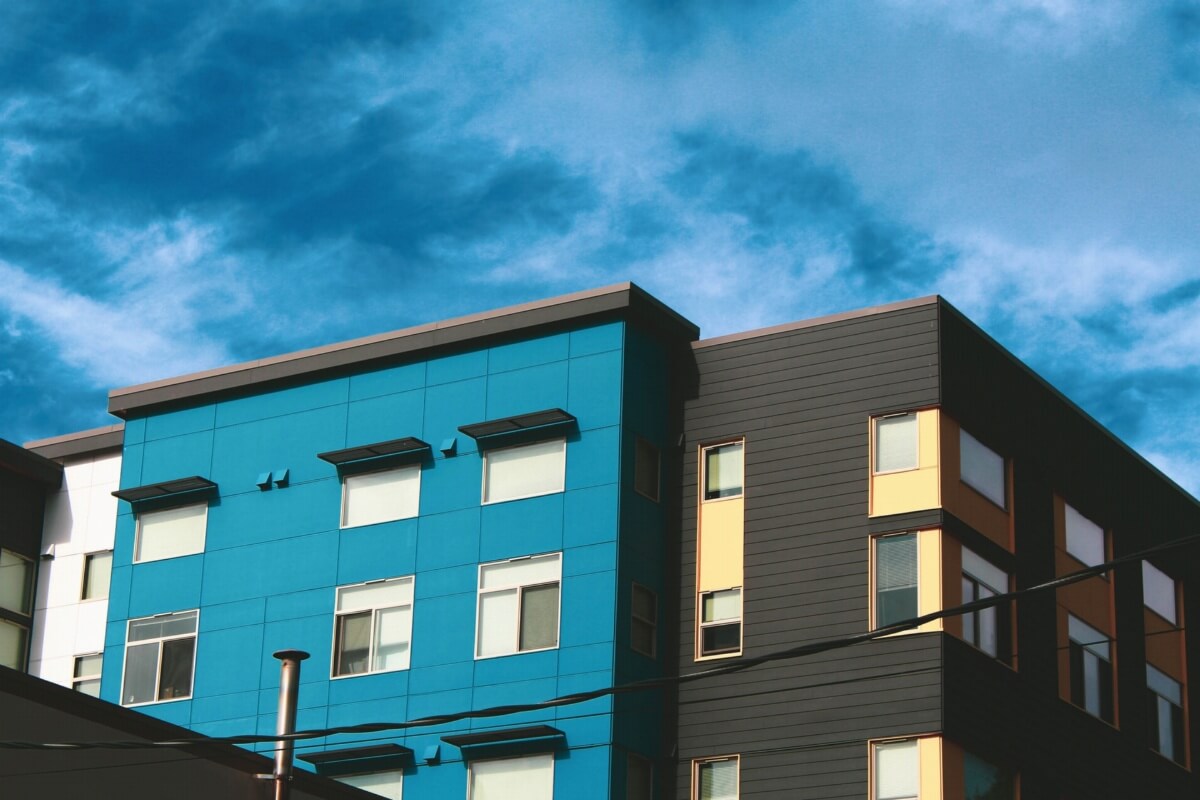
Ways To Increase Value On Your Rental Property

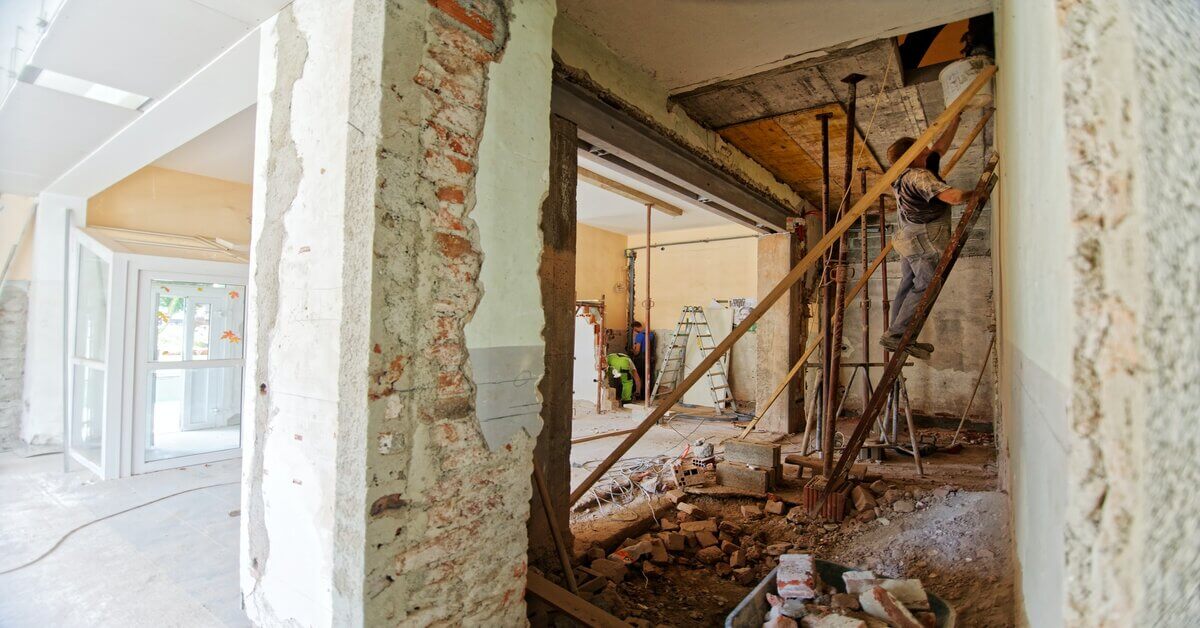
Scarcity is one way rent can go up. While housing construction has slowed down all over the country, demand has only gone up. There are other ways to increase the rental value of your investment property instead of just relying on scarcity. With a few renovations and improvements, you can help your property stand out and attract the kind of tenants you want.

Improve the kitchen
When it comes to any improvements, you don’t want to go overboard. This is an investment property and not the home you plan on living in. To avoid spending too much, sand and paint the cabinets. Keeping the colors light and modern will create a sort of blank slate that will appeal to most potential tenants. Consider using a light color for a new counter-top if it is in your budget. Updating the kitchen is one way to attract a more high end clientele as the kitchen is a place where people spend a large percentage of their time and where they entertain guests. 

Floors

Installing wood, laminate, or vinyl floors is another way to give your investment property a more modern look. When considering what flooring to use, one thing to remember is that the labor for installation is about the same. Consider installing flooring that will last a long time so you don’t need to pay for the same labor again every time you need to replace the flooring. Keep all the flooring throughout the property uniform as well. This will help the space appear more open and larger. 

Bathroom

Updating the sink and shower to a more modern look is a simple way to appeal to a high end clientele. Like the kitchen, the bathroom is one of the most important rooms renters consider when looking for a place to live. Having an updated, modern bathroom can help your property stand out over the others in the area. 

Other improvements

Some other options can be done depending on space, other homes in the area, and how much money you want to spend. It also depends on the type of tenant you are trying to attract. Are you looking to house college students who only plan to stay for a year? Or are you looking for a young professional or new family?

There are a number of amenities you could add to increase value. A dishwasher. A washer and dryer in the unit. Air conditioning is another one. These are the amenities homeowners add to their own homes, but are more rare in rental properties. Adding any or all of these amenities can help your property stand out over other similar units in the area

Depending on the floor plan and the size of the home, you can knock out walls to create a more open floor plan. This will help make the property appear bigger as well as giving tenants a more open canvas to set their living space up the way they want. 

A minor improvement can be one of energy efficiency. Not just when it comes to the energy efficiency of new appliances, but also making sure the home is properly insulated. New double pane windows won’t only improve the energy efficiency of the home, but will also make it more aesthetically pleasing.    

One way to make your rental property stand out is to paint one of the walls in a room a different color. Your tenants can always paint the wall however they want, but this is a way to make it stand out from the others they may be considering. 

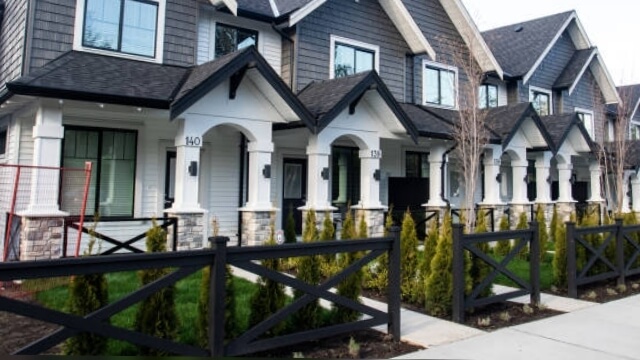
Make sure the front of the home is maintained as well. Not just the exterior paint job, but also the landscape. By improving the property and bringing in a more high end clientele, you can help maintain a higher occupancy rate. These tenants are more likely to stay in the property longer, pay rent on time, as well as maintain the property


What Does AB 1401 Do For California?

Real estate in California is at a premium. Most of the land in the metropolitan areas and job centers have been developed. With most of the major cities along the coast, it also limits how much land can be developed east, as eventually, all housing would be too far from job centers. Parking takes up a large amount of the developed land in the state, in part because of minimum parking requirements by the state and local governments. AB 1401 would aim to reduce the parking minimums and also eliminate parking requirements for certain properties.

What does AB 1401 do?

If AB 1401 is signed into law, it would prevent local governments from requiring parking minimums on commercial, residential, and other lots if they are within a half mile, or walk-able distance of a major public transit stop. It would also apply to neighborhoods with a low VMT (vehicle miles traveled) area as defined by the office of planning and research. This means areas with walk-able communities where people don’t drive much won’t have parking minimums. The focus of the bill would be to allow housing to be built while keeping construction costs down by not requiring parking spots.

The cost of parking spots

Parking spots are expensive and they drive up construction costs. Even if nobody needs the parking spot, it is still required and can cost anywhere from 20k dollars for just a normal paved parking spot, all the way up to 80k dollars for a spot in a parking garage. Parking spots can increase the cost by up to 17% depending on the type of building.

Will people rent without parking spots?

There’s really no way of knowing how many people would be willing to rent a unit without off street parking. In California, the parking minimums means the market has never been able to decide. In Los Angeles County there’s two parking spots for each resident, but 7.5 percent of households in the county don’t even own a car.

We also don’t know what kinds of decisions residents will make when given the option between paying less in rent and taking public transit as opposed to paying more and owning a car. These decisions get made all the time when it comes to how many bedrooms, bathrooms, certain appliances etc are in the unit. It’s reasonable to think if people are given the option, they may choose the unit without parking.

Why parking minimums limit multifamily properties

Even if local laws allow for a certain number of units as well as the required square footage for those units, the parking minimums might actually make building the maximum number of units on a lot impossible. For example, if someone wanted to build an ADU and a junior ADU on their property, but the only way to do that meant using some parking spaces, it would not be possible. By removing parking minimums, those spaces now become useful real estate for building more units.

This would also apply to a multifamily apartment building. A ten unit apartment complex could fit on a lot that is zoned for multifamily, but if it requires one spot for each unit or per bedroom, that complex can’t be built.

Commentary

Until recently, I always owned a car. Since my 16th birthday, a car was a part of my life. Not long after I started working from home a few years ago, I was rear ended and my car was totaled. At the same time, my landlord decided to start charging for parking. I live in a walk-able neighborhood, and I was driving my car maybe once every 10 days. At this point, I could no longer justify the cost of owning a car. With remote jobs becoming increasingly common, the demand for a car and off street parking could decrease.

The Reason The Cost Of Lumber Is So High

In the last few months if you have had to do any renovations, or construction on your home or rental properties, or if you have been reading the news, you are well aware of the drastic increase in the cost of lumber. In the last year, the coast of lumber has shot up over 250 percent. If you have any plans to renovate any of your rental properties or add accessory dwelling units, this will impact the cost of your project. 

What is the reason for the increase in prices?

When it comes to the cause of the increase in the cost of lumber, there are a number of factors. Some of the factors are systemic, and will persist for a long time. Some are temporary, and the cause of unique dynamics over the last year which likely will not be a problem down the road. 

There has been some concern that the cost of lumber has increased due to inflation. That likely isn’t the case. One major factor is just simple supply and demand. There is currently a huge demand for lumber, and the supply has been unable to catch up to the demand. So why has there been a huge increase in demand?

Anything that has happened over the last year needs to be viewed through the lenz of a global pandemic. For that reason, it is safe to assume that there will be some big fluctuations in both the supply and demand for various goods until the global economy has had a chance to return to normal.  

Increased demand

When the pandemic hit, many people who were renting homes and planning on purchasing a home in the future decided to not wait and purchase homes. The low interest rates were also a contributing factor. These people purchased and renovated their new homes which is part of the cause for the increase in the demand for lumber. 

Because people were no longer spending money on vacations and going out to eat, combined with the stimulus checks, they were flush with cash. This is a pandemic related cause which led to a number of people stuck at home who decided to work on projects and renovations around their home. This goes from room additions to tree houses as well as decks and other projects that require a large amount of lumber. 

Supply issues

As far as supply goes, there are a number of reasons both related and unrelated to the pandemic that explain why it has been unable to keep up with demand. One factor is an ecological plague that has been taking place since long before the global pandemic. 

In Canada there has been a plague of tiny mountain beetles that has destroyed 15 years of log supplies. That would be enough wood for 9 million single family homes. Canada has been unable to stop the spread of these mountain beetles because of the warming climate and it continues to destroy even more lumber stock as it spreads to different regions. 

Because the demand for lumber has been steadily increasing, lumber mills have been attempting to increase capacity to keep up. Lumber mills typically take around two years to be built and many began being built in 2018 and 2019. The demand continued to increase in 2020 which means the attempts to match the supply with the current demand is still about a year or two away. 

Covid related outbreaks over the last year have also been a cause in the slowdown of production. As the pandemic comes to an end and there are fewer and fewer outbreaks, the production of lumber should become more consistent. 

Unrelated to covid, there is also a labor shortage for lumber mills. As most young adults are encouraged to go to college in order to be qualified for most jobs, it creates a labor shortage for manual labor jobs like at lumber mills. The labor shortage is also a factor when it comes to the transportation of lumber as there is a shortage of truck drivers as well. 

Systemic causes

Another factor, though not the main cause, is trade related. The cause has to do with the lumber tariffs in place. The system that is currently in place creates a lot of uncertainty for lumber prices that causes companies to search for countries that aren’t impacted by the tariffs, leave the US market entirely, or pass the high costs on to the customers. This would only get resolved through legislation and doesn’t appear to be changing anytime soon. 

What to expect in the future?

Some of these factors will eventually work themselves out, especially those related to supply and demand  and the pandemic. Another cause is the seasonality of the cost increase. Prices tend to go up in the spring as construction projects increase, then decrease in the fall and winter. Because of the supply issues, those prices in the winter may not fall the same as the usually do, but should level off eventually. 

What Does SB 478 Do For California?

As the housing crisis in California has increased in severity, the state legislature has been introducing and passing a number of bills to relax the regulations on zoning laws and land use. One of the main focuses has been to spark small developments, or middle housing. SB 478 is a bill that was introduced in 2020 and passed the state Senate on May 26th and has been passed along to the Assembly for consideration. If the bill passes in the Assembly, it will then be sent to Governor Newsom to be signed into law. 

What does SB 478 do?

While some lots can be zoned for an increased number of units, many cities throughout California have restrictions when it comes to how much square footage can be built on a lot. This can effectively make a multifamily lot a single family lot. If SB 478 is signed into law, it would force cities to increase the minimum amount of square footage, or floor area ratio, on a lot.

This would apply for lots zoned for duplexes and up to 10 units. The bill would also set a minimum lot size for multifamily lots zoned for duplexes and up to 10 units. SB 478 would have a similar impact for multifamily lots that recent accessory dwelling unit laws did for single family lots. 

How many properties would be impacted?

Not every city implements restrictive floor area ratio rules. There’s a chance your multifamily lot won’t be impacted by SB 478. According to the Terner center of the 53 cities that had restrictions for floor area ratio, only 8 of the cities have standards that wouldn’t be impacted by the bill. While not every city uses rules about floor area ratio, most do have minimum lot sizes. Those with minimum lot sizes higher than what the bill proposes would be impacted and could no longer deny middle housing developments because of lot size

What is middle housing?

When most people think of housing they think of either the suburbs or high density major cities with mid-rises and high-rises. Middle housing is smaller developments like duplexes, fourplexes, and small apartment complexes. This creates more affordable housing by sharing land costs and putting more small units on each lot. This is ideal for people who want to live in a neighborhood as opposed to a big city. Right now California has a lot of high density urban centers and single family suburbs, and what is missing is middle housing.  These types of properties aren’t attractive to larger developers because of the smaller sizes of the lots. 

Conclusion

SB 478 wouldn’t be a huge change in the state of California, but it would have a big impact for smaller real estate businesses who want to develop middle housing and rent out more units. As with many of the bills over the last few legislative sessions, it is designed to chip away at the restrictions and delays that prevent housing from being built in a timely fashion that also meets the local demand.

One of the authors of the bill, Scott Wiener described it as a “wonky” type of “housing nerd concepts” which “are actually profoundly important because these are two issues and two strategies that sadly, far too many cities use to make it impossible to build multi unit housing.” 

Commentary

My great grandpa came to the United States without a penny to his name in the early 1900’s. He lived and worked in San Francisco saving up every dollar he earned and invested it in smaller apartment complexes throughout the city. By doing this, he eventually worked his way up to developing large commercial real estate and strip malls throughout the bay area. The business has now lasted three generations and has been passed on to his grandson.

Without middle housing, growing a real estate business can be difficult as it is an important stepping stone to larger developments. The cost of entry for large scale housing and commercial developments can shut most people out, but middle housing can be an opportunity to work towards even larger projects.  

How Landlords Find Great Tenants

What Makes a Great Tenant?

Anyone with a property will know that if you want to protect your investment it is essential that you are able to find high-quality and reliable tenants.  Every landlord wants to find a tenant who pays on time, keeps the property clean and tidy, and does not breach the terms of the rental agreement.  However, good tenants are hard to find, and you need to know exactly what to look for if you want to find AND KEEP great tenants. 

Landlords need to take a business approach when it comes to finding the right tenant.  After all, the value of your real estate portfolio depends on the quality of tenant you have.  The last thing any landlord wants is a tenant who devalues the property and does not respect the conditions of their lease agreement.  

5 Ways to Find Great Tenants

Here are five ways of finding and keeping great tenants:

1. Advertising In the Right Places

Make sure you take out ads in the right places.  The National Association of Residential Property Managers advises that you should always advertise online on sites including rentalhomesplus.com and rentals.com.  Using online platforms means you can widen the reach of your ad, getting as many people as possible to see it.  

For good quality tenants, you should avoid sites such as Craigslist as you could be caught out by scammers or tenants who are not entirely honest about their background and rental history.  Zillow is free to list on, and is one of the most used sites by tenants looking for properties.  

Advertising should include:

  • Online ads
  • Fliers distributed locally 
  • Ads on social media sites
  • Word of mouth
  • Ads with property management companies 

The ad should include all the relevant details of the property including the location, neighborhood, number and size of rooms, rent payable, and any special features of the property.  Good tenants always want to see as many details relating to the property as possible, alongside good quality photos.

2. Outsourcing Your Property Management 

One of the most important elements of securing a great tenant is to ensure that they are properly and thoroughly screened. Their history will confirm whether they are likely to be good tenants.  Set the standards you want to and do not be afraid to set them high, especially if you want good quality tenants who you feel will look after your property and be reliable with rent payments.  

Outsourcing the property management means that your property manager will deal with everything that comes with screening tenants for you.  They will apply any standards you have to ensure that they secure the tenant that meets your requirements. 

Some landlords have the following standards they require from tenants:

-No prior convictions

-Good credit score

-References from previous landlord

-No felonies

-Minimum income requirement 

Having boundaries like those mentioned above means prospective tenants can be screened quickly with a standardized approach.  Property managers will not only screen tenants, but they will also show them around the property, arrange viewings, discuss terms and meet the tenant in person to make sure they seem reliable and dependable. Landlords who use the services of property management companies will not have to do the due diligence themselves, as the company will undertake the hard work for them.

Some landlords use the services of companies that provide screening reports.  These reports provide you with information relating to the tenant including their employment history, rental history, and details of any criminal convictions.

3. Legal Agreements 

Once you have found the right tenant you should ensure that the correct legal documentation is entered into so that the rights and responsibilities of both parties are clearly outlined.  The legal agreement, usually a lease, will ensure that the tenant is fully aware of the conditions of their occupancy, and acts as a form of legal protection for the landlord and tenant.  

An important element of the legal agreement is pricing.  You need to price it right so that you capture the best tenants.  If you price it too high then you could potentially alienate tenants, and if you price too low you might be losing out on money.  A good property management company will be able to provide you with accurate pricing information relating to your property.  They will also ensure that any deposit is collected and secured, and the rental payments are made on time.

4. Keep your Property In Good Condition 

If you want to attract the best tenants, then you need to have an attractive property.  If your property is advertised with old carpets, aged appliances, and peeling paint it will put off tenants who are looking for somewhere they think looks nice and comfortable.  

There are cost-effective ways to upgrade your property without spending a lot of money, for example, giving the property a fresh coat of paint is an easy way to freshen it up.  The easiest way to make your property look attractive to potential tenants is to make sure it is clean.  If you do not have the time to give it a clean then use a cleaner who will give it a thorough clean before photos are taken, or before a tenant comes around to view it. 

Other minor upgrades include:

-Remove limescale marks on sinks

-Replace any appliances that no longer work

-Clean the windows 

If you use the services of a property management company they will have quick and effective ways of dealing with any repair and maintenance issues as they arise.

5. Communication 

The key to securing and retaining good tenants is communication.  As a landlord your rental is your business – you are providing a service.  Most landlords want to keep good tenants for as long as possible, and one of the best ways of doing this is to ensure that you keep the lines of communication open and treat them with respect.  

Take the following steps so that your tenant feels valued:

-Provide the tenant with a welcome pack that includes details of the property and the local area. 

-Give the tenant your contact details, or the details of your property management company so they know who to contact if they have any property issues. 

-Be professional with them at all times

-Be responsive to them – if they have maintenance requests then deal with them as quickly and efficiently as you can. 

-Take good photos of the condition of the property before they move in.  These photos are useful when documenting the condition of the property.

-Respect the privacy of your tenant and give them notice before entering the property to carry out work or do checks. 

As long as you do all the above you can find great tenants and keep them.  Renting a property is a big decision for both parties, so it is important there is mutual respect from both sides.  This together with good communication will ensure that each party knows what is expected of them and they adhere to the agreement in place. 

SB 9 Passes In California State Senate

With the housing crisis in full swing, the California Senate voted with a final count of 28 to 6 to approve SB 9. SB 9 is one of many bills the state Senate and assembly have proposed in order to address the housing shortage in the state. The bill was authored by Senator Atkins and presented on December 7th 2020 and has since moved through all the committees before being passed by the Senate. It will now move to the state Assembly where if it is passed, it will then be sent to Governor Newsom to be signed into law. 

In 2020, the Senate attempted to address the housing crisis with SB 50 which was a much more ambitious bill than SB 9. In 2021, it looks like Atkins and her bill coauthors learned a lesson from the failure of SB 50 and are now attempting to pass smaller bills containing some elements of SB 50. SB 9 is one of those bills and if it were to pass, it would go a long way for property owners and landlords to maximize their income. 

If SB 9 passes in the state Assembly and is signed into law, owners of single family homes throughout California would be given a lot more freedom to build more housing on their property. The law would allow for property owners to build a duplex on a single family lot. It would also give the option to split a single family lot into two different lots and build up to two duplexes. The final version of SB 9 to pass the Senate doesn’t allow for accessory dwelling units or junior accessory dwellings units to be built in addition to a duplex. There was a concern that with the new ADU laws, a single family lot could then be turned into two lots with a total of six housing units per lot. 

In order to be eligible for the changes in SB 9, a property would need to be in an urban center or urban cluster as defined by the United States Census. It can’t be located in any of the following: 

  • A hazardous waste area
  • Land within the 100-year floodplain or a flood-way
  • Habitat for protected Species
  • Prime farmland or farmland of statewide importance
  • A historic district or property included on the State Historic Resources Inventory.
  • Wetlands
  • Fire hazard zone (Unless development complies with mitigation codes)
  • A site that is designated or listed as a county or city historic property, landmark, or district.

Passing housing legislation that increases density and removes red tape is a slog in California, and there is no guarantee the bill will pass the state Assembly and become law. With the passage of the ADU laws that helped remove red tape and unnecessary fees, there is some hope that the tides are turning in favor of housing development on both a large and small scale. If the law is passed, look for a surge in approved permits for duplexes similar to the increase in the number of ADUs. 

SB 9 is very similar to SB 1120 which failed to pass because of time constraints but was able to make it through both houses of the legislature. If the bill does pass, landlords and homeowners who might consider developing additional units on their land could start planning for when the law comes into effect. As with anything, there will be a learning curve, but with housing in high demand, getting more rental units built as early as possible will help generate more revenue while also having an easier time with [tenant placement](https://www.ziprent.com/tenant-placement).  

Why You Should Outsource Your Property Management

Using the services of a good property management company means that not only is your investment protected and in safe hands, but you will ultimately save time and money in the long run.  Outsourcing your property management can actually add value to your investment while reducing your stress levels.  

Property management companies like Ziprent are experts in dealing with all the usual tenant management issues, alongside any emergency issues which arise such as evictions, late-night emergencies and inspections.  Real estate investment is a great way to grow wealth, and as more and more people become landlords, the need for great property management service is increasing. 

Property management companies are experts in dealing with any issues arising from your property, and this includes marketing and leasing agreements.  They know how and where to market your property to attract the right tenants, and what terms need to be included in any legal agreements. 

Here are some of the key benefits for investors and landlords who use property management companies:

Tenant Management

By far the most time-consuming element of managing investment properties is dealing with tenants.  Property managers will deal with all tenants and all their queries and concerns so you don’t have to.  

As a landlord, you want to find the right tenant who will look after your property, pay their rent on time, abide by the conditions of their tenancy, and prove to be reliable.  Finding and securing tenants is a time-consuming task and one which property managers deal with efficiently as they do it all the time.  What elements of tenant management can property managers deal with for landlords?

Collecting Rent

By outsourcing the collection of rent and fees you are able to secure a reliable and consistent cash flow.  Tenants know that they have to pay rent on time every month, but some of them do not do this.  Property management companies ensure that the rent is collected on time and keep a close eye on payments, and ensure that any breach of payment terms is dealt with quickly and efficiently. 

Communicating with Tenants

An important role played by the management company is to act as a middleman between the landlord and tenant.  This not only streamlines the process but ensures that all communication is handled professionally and in a consistent, timely manner. 

If you get unlucky and end up with a bad tenant, a good property manager will deal with the bad tenants efficiently and legally before things escalate.  Not only will they deal with communication with the tenants, but they are also responsive to any queries or concerns you have, so you have access to an expert whenever you need. They provide you with credible information relating to your property, the tenants, the market conditions, and growing your portfolio.   

Reviewing Applications

Screening tenants to ensure that you end up with high-quality tenants who are unlikely to default is a time-consuming and complex task.  A good property management company will know exactly what to look for when screening and placing potential tenants, ensuring that you end up with tenants who:

-Make rental payments on time

-Cause less problems

-Rent for the long-term

-Minimize damage to the property 

Experienced property management companies can do all the relevant due diligence you need in terms of finding the right tenant, identifying any red flags, and carefully checking the credentials of potential tenants. 

Lowering Vacancy Rates

No landlord wants to see their property empty.  Professional property management companies will ensure that your properties do not have high vacancy rates.  How is this done?  They not only market your property quickly and efficiently, they also know where to advertise, and how to advertise to secure the best tenants.  A good property manager will also ensure that the rent level set is appropriate to attract the right tenant for the property.  Research indicates that property management services reduce the vacancy rates of properties

Property Management

Maintaining your property is crucial to the long-term success of any real estate endeavor. This starts and ends with property management.

Repairs and Maintenance 

Repairs and maintenance of a property can be extremely time-consuming.  Not only will your tenant expect the maintenance to be done properly and quickly, as a landlord it is in your interest that you maintain your asset and ensure that your investment is protected. 

Property management companies save you the trouble of having to deal with DIY projects, find contractors and electricians and sort out timings for repairs.  Most property management companies have extensive networks of licenses and insured contractors who can do the work quickly and safely.    

Another key component of the service offered is the ongoing monitoring and identifying of maintenance issues early. This means that you can avoid large maintenance bills where small maintenance issues have escalated into expensive repair jobs. 

Outsourcing your property management means that they will ensure your property is maintained, saving you money on unscheduled repairs due to extensive wear and tear.  Property managers have online systems which enable tenants to send maintenance requests online so they can be dealt with quickly, preventing them from becoming bigger repair jobs.  

Property managers focus beyond reactive maintenance, to preventative maintenance and predictive maintenance. They ensure that contractors deal with maintenance issues quickly and any contractors used have the right tools and skills to ensure the issues are dealt with quickly. 

It Enables You to Systematize and Grow Your Business

Outsourcing property management saves landlords time. They deal with all the issues that are time-consuming and stress-inducing so you don’t have to.  Any time saved can then be invested in growing your real estate business, researching properties, networking, and dealing with finances.  Micromanaging properties is not only dreary, but it can also be challenging.   

For anyone who is serious about growing a profitable real estate rental portfolio, your biggest asset is not the properties but your time.  Skilled property managers can add value to your assets while ensuring that your assets are protected and continue to yield income for you.  

Outsourcing your property management will ultimately:

Save you time

-Save you money 

-Protect your investment

-Facilitate business growth 

-Enable managers to advertise your property

-Relieve you from having to deal with legal notices or legal agreements

California SB 10: What Does It Do?

When it comes to building housing, there are a number of local and statewide regulations that restrict what type of housing as well as the number of units that can be built on a parcel of land. Zoning restrictions aren’t the only impediment when it comes to building housing. Construction of apartment buildings can often get tied up in court for years. This increases the overall cost of construction and discourages land owners from seeking to maximize the profits from their land. SB 10 seeks to address some of the major issues when it comes to building smaller apartment complexes. 

What does SB 10 do?

The current zoning laws can prevent property owners from building small housing complexes on their land. What SB 10 does is allow for local governments to authorize smaller complexes of up to 10 units. The law still allows for local governments to maintain control over new projects. They can decide which ones to approve as well as if it requires ministerial or discretionary approval. 

Does SB 10 apply to all parcels in California?

There are some limitations to the parcels of land for which SB 10 would apply. For example, any parcel in an extreme fire hazard region would not benefit from the legislation. The language of the legislation suggests it would apply to a broad swath of land in metropolitan areas of California like the Bay Area, Los Angeles County, Orange County, and San Diego County. These areas are all both transit and job rich areas which is the main focus of the legislation. If a parcel is near any mass transit stop or job center, the owner could take advantage of SB 10 if it is passed. 

Preventing lawsuits and litigation

With the current law in place, any housing project can be mired in litigation and appeals for decades. The potential for high legal fees and delayed construction, some landowners opt to not build more housing despite the demand. SB 10 would ensure those who choose to build more units on their land will no longer be blocked for years in court

Opposition to SB 10

As with any legislation, there will always be some push-back. Because local governments still maintain control over project approval, there may be less push-back to SB 10. One regular push-back is the concern for community character. Since local governments would approve housing projects, that would maintain the local aesthetics and character. 

Opportunities for landlords

Smaller housing developments up to ten units would allow for landlords with fewer resources to grow their business. Building more units and equity can help in investing in more land and more projects over time. There’s a demand for smaller housing projects which larger developers aren’t interested in. Freeing up land to use for up to ten units will give the space for an ambitious landlord to grow their real estate business. With cities now required to meet their housing quotas and statewide agendas becoming more aligned with growth, it creates an opportunity to take advantage of expedited zoning changes and project approvals. 

Legalizing more housing

Opportunities for landlords are currently limited by zoning laws. With laws like SB 9 and SB 10, those restrictions can be lifted if they are passed and signed into law. Recent laws passed allowing for two accessory dwelling units on single family lots and it stands to reason that even if SB 9 and SB 10 don’t pass, similar laws will pass in the future. It would be a good idea to reach out to architects, and contractors as well as your local government to see options are possible on your property.

Should You Build An ADU On Your Property?

Because of the housing shortage in California, the state legislature passed a number of laws making it easier for owners of single family homes to build accessory dwelling units on their properties. The new laws effectively allow for a total of three units to exist on each lot. The three units can be the main property, an ADU, and a junior ADU. 

What is an ADU?

An ADU is an independent residential dwelling unit that is on the same lot as a detached single family home and is often referred to as a granny flat. A junior ADU is an ADU that is smaller than the standard ADU with a square footage up to 500. They are a part of the home and cannot be sold separately, but they can be rented separately from the main house. One part of the home that is commonly used to build a junior ADU because of its size and dimensions is the two car garage. 

Why build an ADU?

Adding one or two units to your home can allow a homeowner to create additional income if they are living in the main home, or if they are renting out the main house. A major change with the new ADU laws in California is that for the five years after the law was put into effect, the owner of the property doesn’t need to live on site in order to build and lease one or two accessory dwelling units.  It is uncertain what will happen after the five years, but this means landlords have a short window to increase their rental income on all of their properties. 

What are the regulations?

Some of the changes in the law allow for an ADU to be built closer to the property line, but requires a four foot setback. Local jurisdictions are also forced to increase the minimum size homeowners are allowed to build. You are allowed to build an ADU 50 percent of the square footage of the main house up to 1,200 square feet. The minimum size they have to approve even if your home is less than 1,600 square feet is 800 square feet. HOA’s also can no longer prohibit the construction of any ADU or junior ADU on your property. When converting a garage to an ADU or adding an ADU, local jurisdictions cannot require those off street spots for the main unit to be replaced. Depending on location, some accessory dwelling units won’t require off street parking. For example, if the unit is within a half mile of public transit, off street parking is not required.

Getting approval

The new laws have also cut the permit approval duration in half. The law requires local governments to approve permits for an ADU within 60 days instead of 120. Through bill 12, there is also an impact fee reduction and anything under 750 square feet cannot be assessed an impact fee. Some local jurisdictions have pre-approved ADU’s to choose from. This can speed up the process for building an ADU on your property. What many of the new laws around accessory dwelling units have done is to reduce the ability for local governments and jurisdictions to block home owners from building more units to lease on their property.  

Cost of building an ADU 

There are all kinds of variables when it comes to the cost of building an ADU. There are the costs of labor and materials which can change depending on a number of factors such as supply of labor in your region as well as tariffs on construction materials. The cost per square foot could be roughly around 150-250 dollars. Other costs would include architectural, engineering, financing, legal as well as any pre and post construction expenses like permits and metering for gas and electric. Many of these costs differ by location so it is important to consult with your local jurisdiction or hire a contractor to help sort everything out. You can also search on the internet to find architects that have basic designs you can use as a starting point.  

At the end of the day, depending on lot size and shape, almost anyone who owns a single family home in California can now add a one bedroom unit as well as a small studio to rent. Considering the high cost of rent and the supply shortage of rentals, this is a great way to generate even more revenue out of the land you already own and it is worth contacting experts in your area to see if it makes sense for you and your property

How to Budget For Capital Expenditures

What are Capital Expenditures (CapEx)?

Money spent improving or adding to a property that goes beyond everyday maintenance and repairs is considered capital expenditure.  Often referred to as CapEx, capital expenditures are used by investors for investment properties, business assets, and equipment.  CapEx relates to expenses that are considered ‘big ticket’ items that need replacing less regularly such as appliances, roofs, plumbing systems, and roofs.  

Effective CapEx planning and budgeting could save you time and hassle in the long run.  Having a solid understanding of CapEx, how to estimate them, budget for them, and how they are taxed all affect your investment profits, so it is essential you know all you need to know about CapEx.  

Estimating For CapEx

In the same way that estimating repairs and maintenance on a house can be challenging, it can also be difficult to estimate the CapEx.  Various factors come into play when estimating CapEx including the condition of the property, its age, and the type and condition of it.  The CapEx on a 1920s family house will be different from the CapEx on a single story family house built in 2010.  

However, you can make an educated guess as to the level of CapEx if you have all the right information to hand.  Details about the condition of the property, the roof, and the appliances will help you estimate the CapEx costs.  If a new roof was installed 3 years ago then it is unlikely to need a full repair this year.  CapEx costs can be substantial, so seasoned investors usually set aside some CapEx funds every month. These funds act as reserves if a major repair is required. 

A good method of estimating and budgeting for CapEx is to make a comprehensive list of all the big-ticket items that may need to be repaired in the next 10 or 20 years.  Once you have this list you can budget for expenditure which could be incurred.  Big-ticket items usually include the following:

-Water heating system

-New roof

-New major appliances

-Driveway overhaul

-Plumbing overhaul

-New flooring

-Landscaping

-Windows

-Paint

-Structure

-Cabinets 

-Kitchen and bathroom remodels 

Once you have a list, you should estimate the lifespan of the item, and then the cost of repair.  This will help you break down the anticipated CapEx expenses and account for them yearly and monthly. 

Replacement Costs and Time

While the above method is a simple way of getting started when estimating CapEx and budgeting for it accordingly, there are other considerations you will need to be mindful of. 

It is impossible to predict the lifespan of the items listed above, they don’t break down as and when expected.  Sometimes a new roof could spring a leak, and other times a 25-year old plumbing system keeps working fine.  You need to ensure that you are realistic with your estimates and your budgets for repair.  What you don’t want is to be faced with an expensive roof repair you had not anticipated for another 10 years. 

Therefore, it is always best to save for any big-ticket item repairs and always have a contingency budget for emergencies.  Please note, however, that any money you set aside for repairs are not operating expenses.  These funds are reported on taxes when they have been spent on repairs, so having the reserves will impact your cash flow.  

Normally, you would expect things such as the roof, driveway, structure, and plumbing to have a 15-25 year lifespan from when they were installed.  Appliances tend to have a shorter lifespan of between 5-10 years.

Budgeting for CapEx

The best way to budget for CapEx is as mentioned above – make sure you set aside monthly reserves.  You can either estimate the level of reserves you need by having a list of big-ticket items and their lifespan, or you can use the following to help you calculate CapEx reserves for budgeting:

-Percentage of the value of the property

-Percentage of the revenue generated

-Set amount per big-ticket item

-Set amount based on the age of item and replacement cost

Always remember that if you purchase a property that has a 20-year old roof that you think might need repairing in the next few years, then your monthly reserves will have to be built up quickly.  Budgeting is difficult because you cannot predict exactly how much you might need so it is easy to overestimate, but at the same time, you don’t want to underestimate in case you don’t have the reserves needed in the event that a CapEx repair is needed. 

Understanding Maintenance

CapEx is considered to be an investment into your real estate business, and your balance sheet will show any CapEx expenditure as an investment.   Determining whether an improvement, overhaul, or repair is a CapEx is important, but can be confusing.  The important question is whether you are returning the asset to its former condition or to a like-new condition. 

There is a big difference between everyday maintenance and repair, and CapEx. If we take the example of a roof repair, if you replaced a few missing tiles this would not be considered a CapEx.  However, if the entire roof was replaced then this would be deemed to be a CapEx as you will have effectively extended the life of your asset. Other examples of repairs (and NOT CapEx) would include:

-Replacing handrails

-Replacing smoke alarms

-Replacing door handles

-Replacing a driveway

The Inland Revenue Service has information on their website that helps you to clarify whether the cost incurred is a CapEx or an expense.  If you use a property management company they will keep you up to date with any maintenance issues that arise. 

Not undertaking big-ticket repairs in a timely manner could result in more expensive and extensive repairs being required at a later date.  Investors could also find that they are only able to recover lower rents on account of the state of the property.  So, don’t delay carrying out the required CapEx works, as it could cost you more in the long run. 

It is never a good idea to overlook CapEx for anyone who invests in real estate.  Estimating and budgeting for CapEx will enable you to make smart decisions about your investment

Rental properties can generate revenue and income, but they can also lead to losses and one of the most common reasons for losing money is not factoring in all the relevant costs and expenses.  Large-scale repairs can be rare but they can quickly deplete your reserves and profits, so ensure you have enough money set aside for CapEx.